SAPZ Trains 1,000 Farmers and MSMEs on Food Safety and Quality Standards in Eights LGAs of Kaduna State
The Special Agro-Industrial Processing Zones (SAPZ) Programme in Kaduna State has successfully trained 1,000 smallholder farmers, processors, extension agents, and food handlers on food safety and quality standards across the program’s eight Local Government Areas. The training, conducted in the four LGAs hosting the Agricultural Transformation Centers (ATCs) and the four LGAs hosting the Agro-Industrial Hubs (AIHs), is part of the project’s commitment to strengthening agricultural productivity, reducing post-harvest losses, and equipping value chain actors with the knowledge required to meet both national and international market standards.
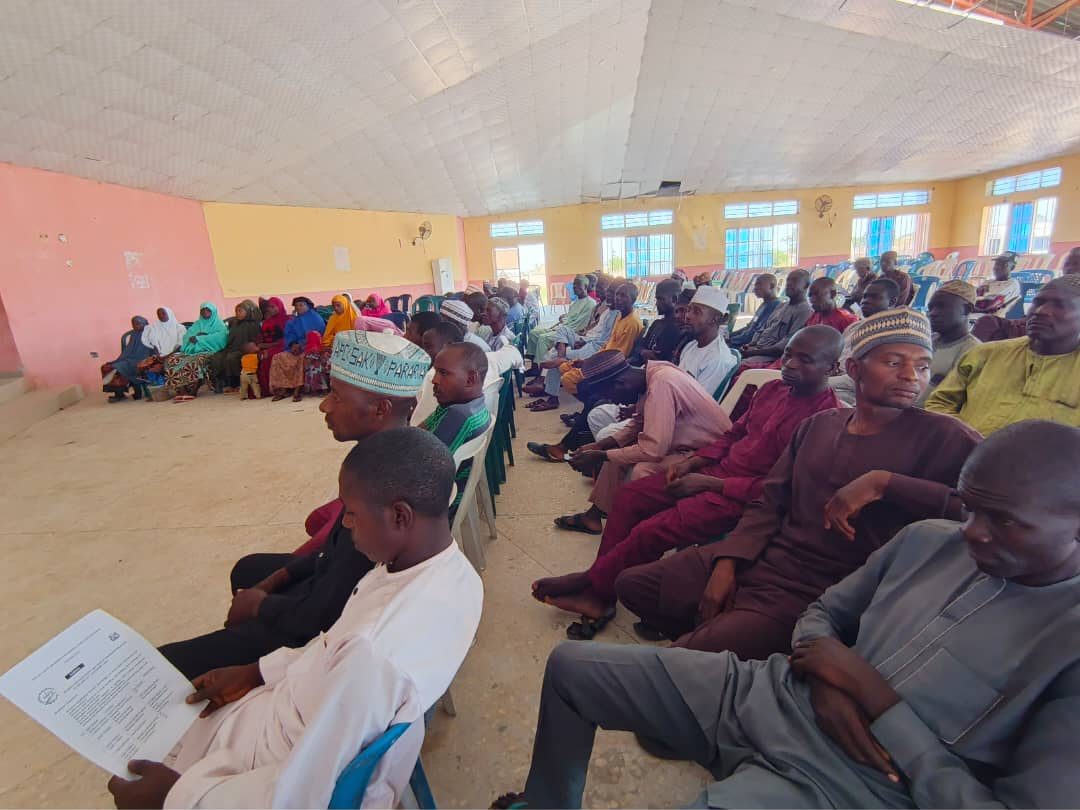
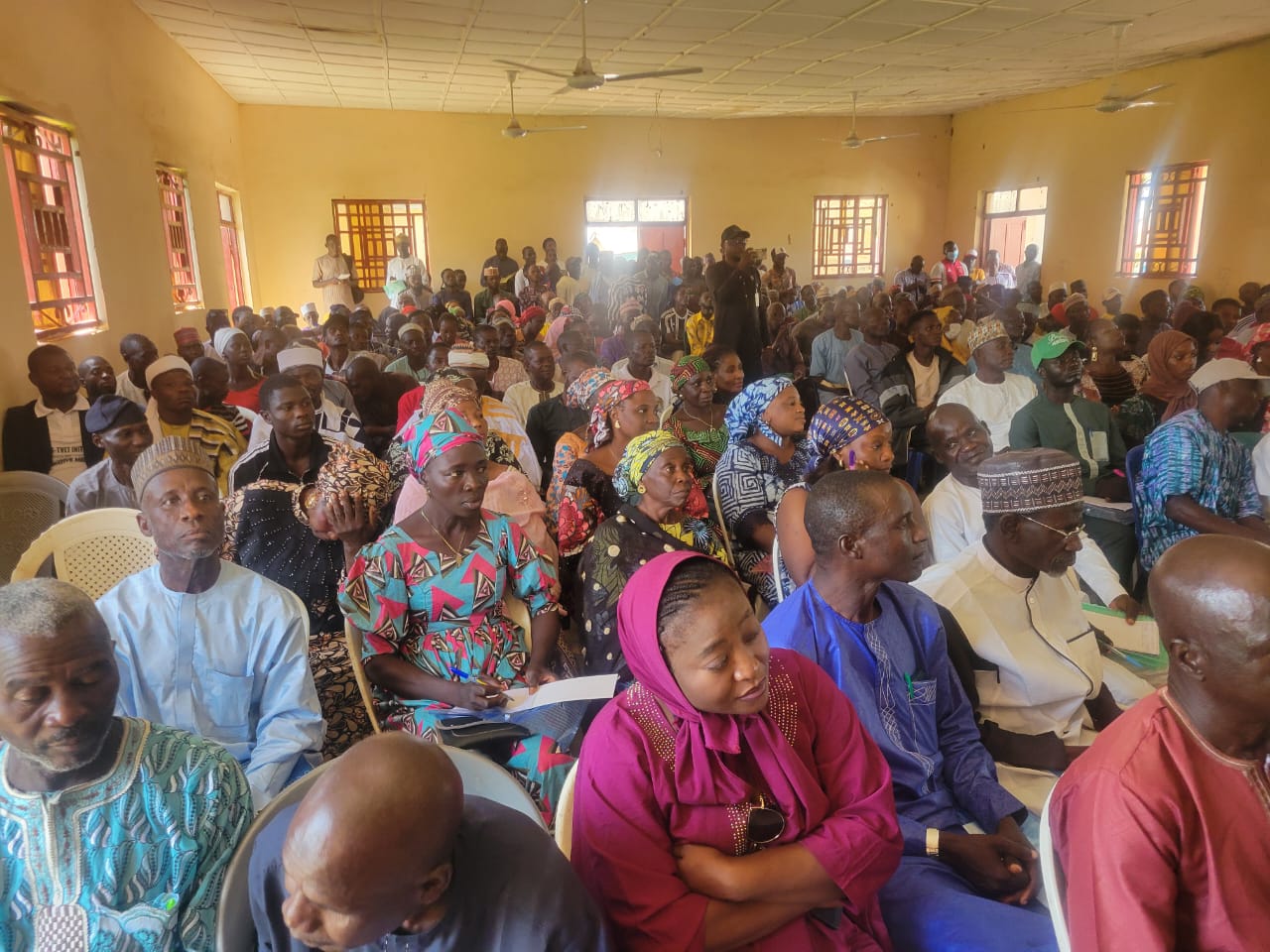
The workshop series began in Chikun LGA and continued across other LGAs, exposing farmers and MSMEs to the critical role of safe food production in enhancing public health, boosting economic competitiveness, and improving access to higher-value markets. Participants learned the foundations of food safety and food quality, including the major biological, chemical, and physical hazards that threaten food integrity on the farm. Emphasis was placed on practical preventive measures such as proper personal hygiene, safe use of agrochemicals, composting of manure, clean water use, and appropriate harvesting and handling practices that minimize contamination.
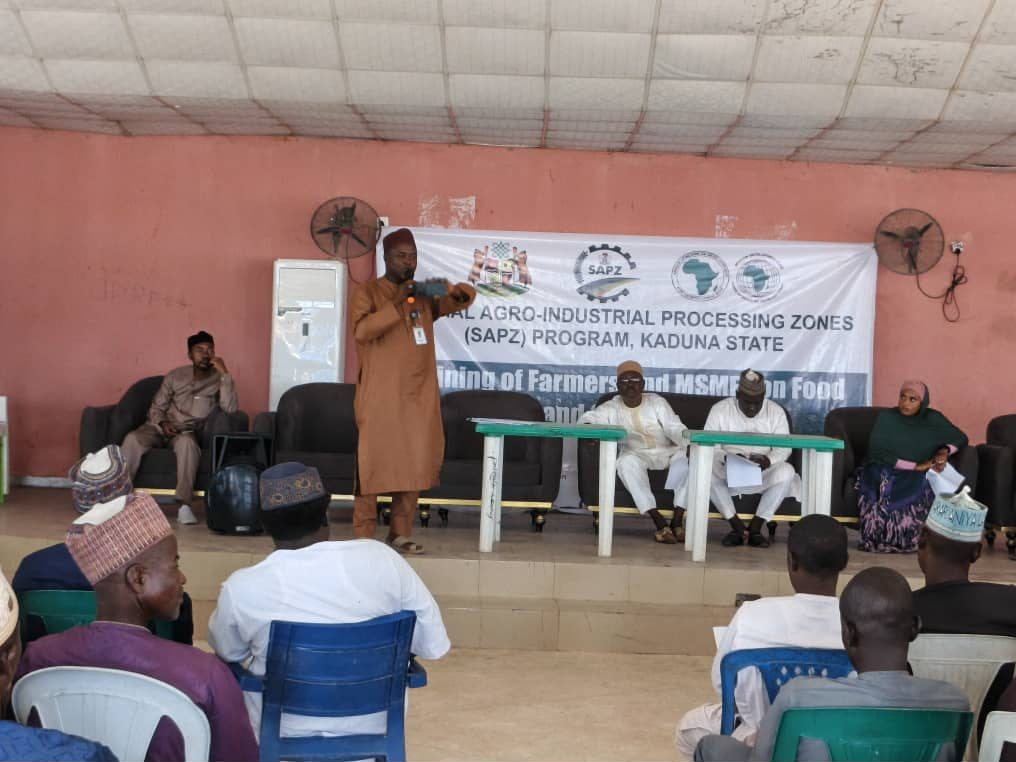
A major component of the training focused on Good Agricultural Practices (GAP), Good Handling Practices (GHP), and modern quality assurance systems. The Program State Agricultural Processing Engineer, Abdullahi Aliyu Musa, facilitated the training, guiding participants through essential GAP principles involving soil and water management, integrated pest management, safe input use, and record-keeping for traceability and certification. The sessions also addressed post-harvest hygiene measures, demonstrating improved methods for sorting, cleaning, drying, grading, packaging, and storing produce. Farmers were encouraged to adopt safe drying platforms, maintain proper grain moisture content, and use hermetic storage technologies to reduce losses and maintain product quality.
Given the significance of maize in Kaduna’s agricultural economy, a specialized module was dedicated to food safety and quality control in maize production. Participants were trained on mitigating aflatoxin contamination, preventing pest infestation, and achieving compliance with regulatory standards set by NAFDAC and the Standards Organisation of Nigeria. Technologies such as Aflasaf, moisture meters, dehusking machines, and PICS bags were introduced as tools to enhance safety and preserve crop value.
Throughout the training period, the programme reinforced the direct link between safe agricultural practices and improved livelihoods, proving that by adopting standardized production and handling practices, farmers can meet consumer expectations, reduce waste, and access premium domestic and export markets. The initiative also aligns with SAPZ’s broader goal of transforming agriculture into a business-driven, wealth-creating sector that fuels rural industrialization and economic diversification through strong public–private partnerships.
Participants expressed appreciation for the hands-on, interactive approach used during the sessions, noting that the knowledge gained will significantly improve their farm operations and processing activities. SAPZ Kaduna reaffirmed its commitment to continuous capacity building and support for farmers and MSMEs as the state advances towards safer, more competitive, and value-driven agro-industrial development.
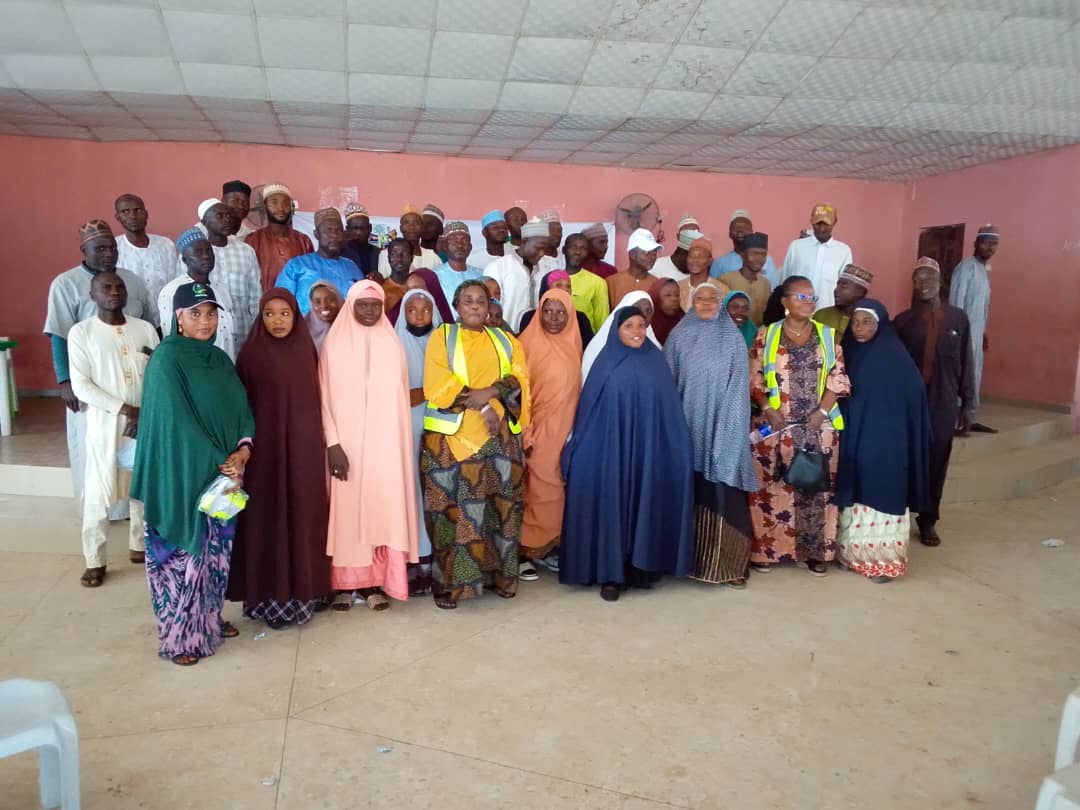
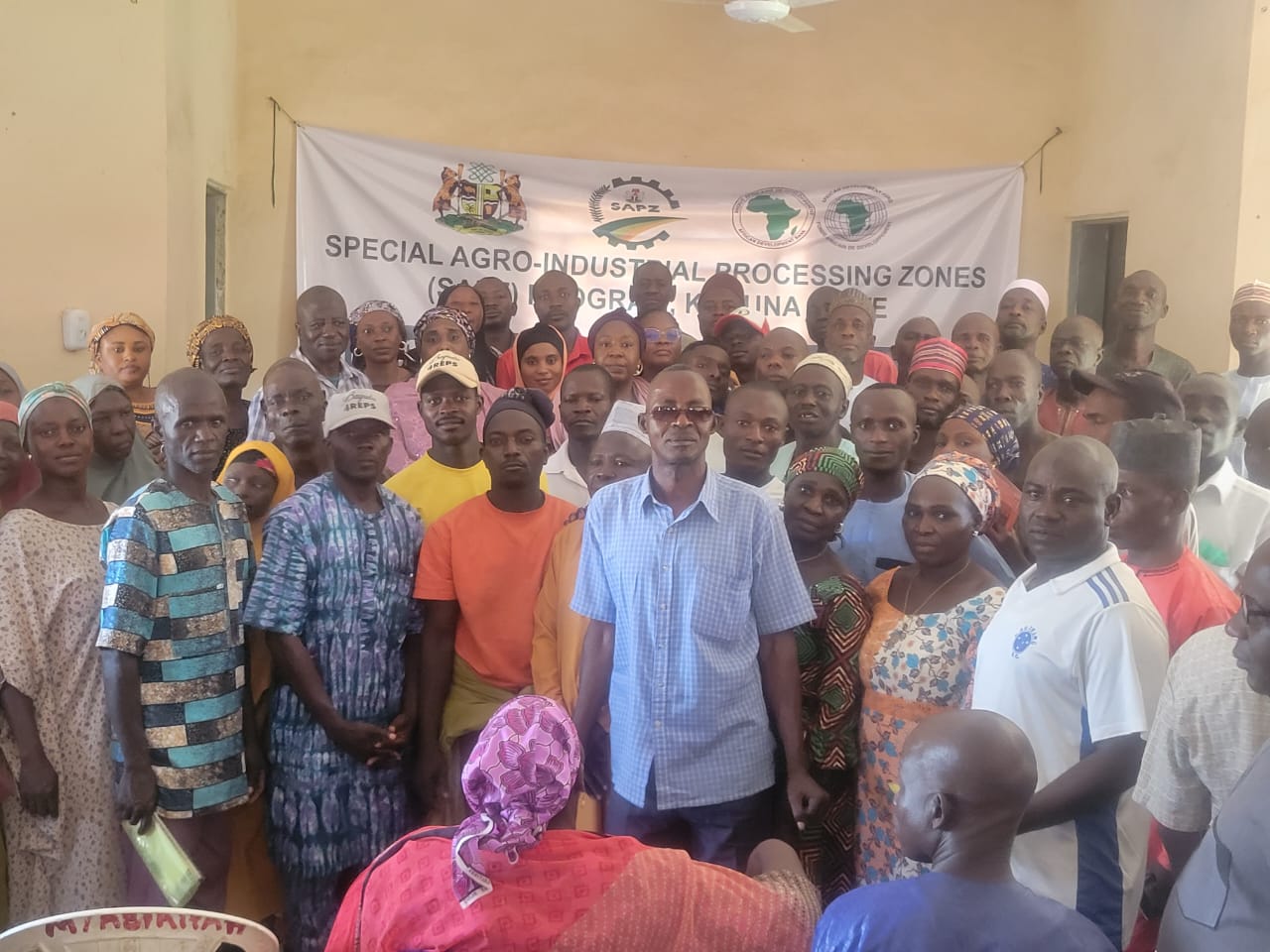
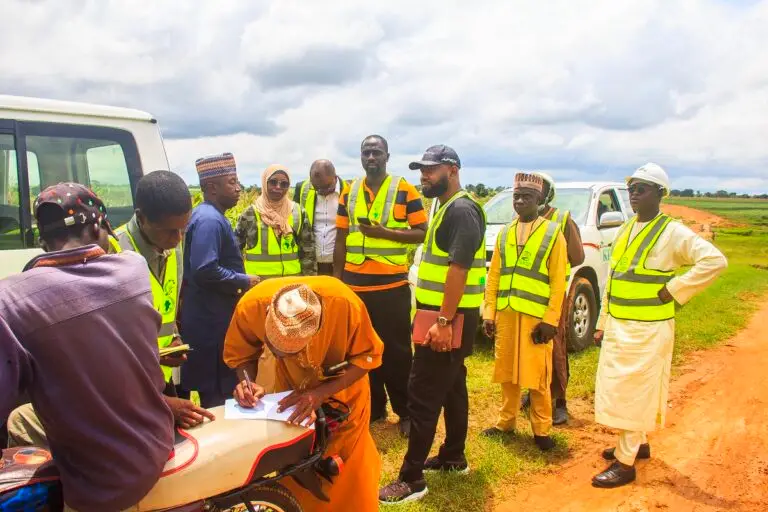
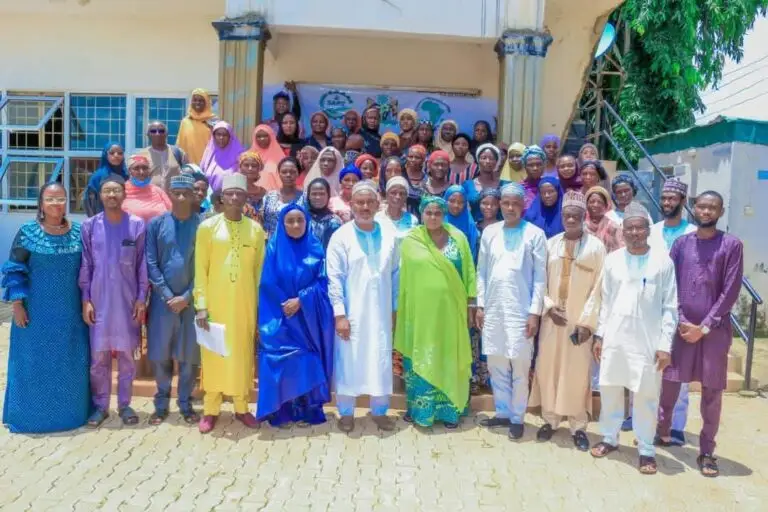
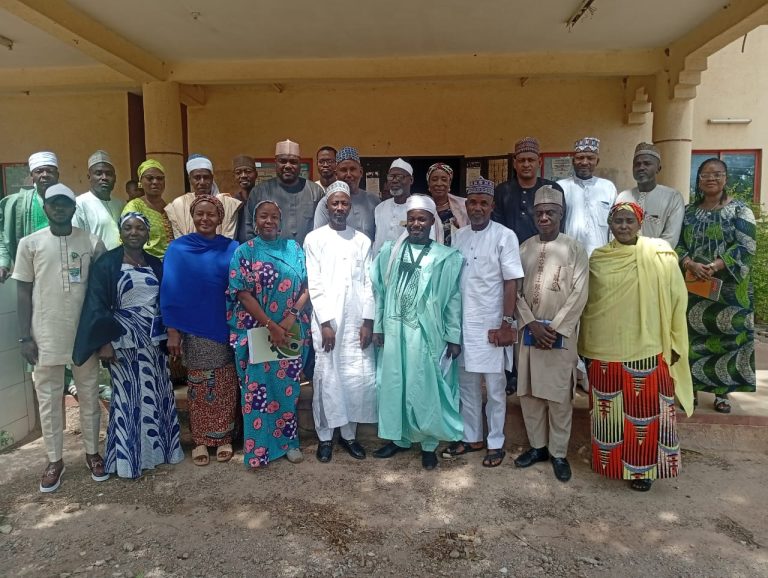
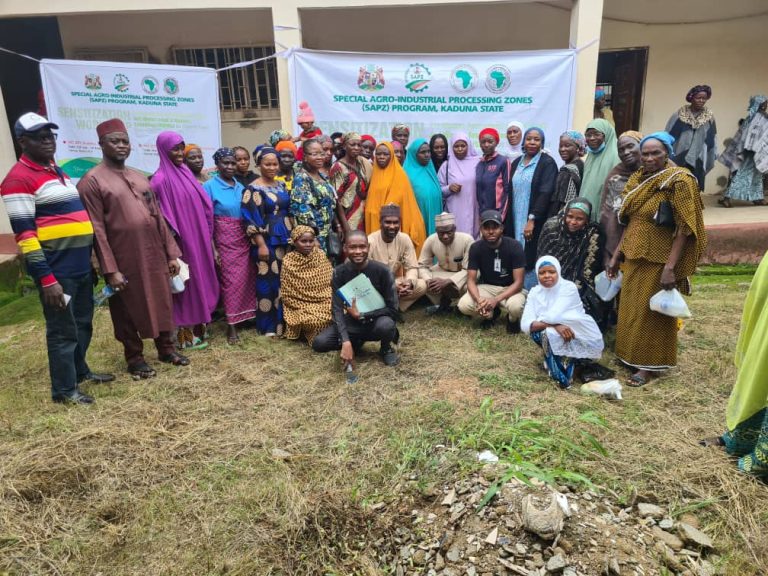
Below are group photographs of participants and SAPZ Kaduna staff during the Food Safety and Quality Standards training.