Successful Distribution of Farm Inputs to 1,000 Maize Farmers under SAPZ Program in Kaduna State
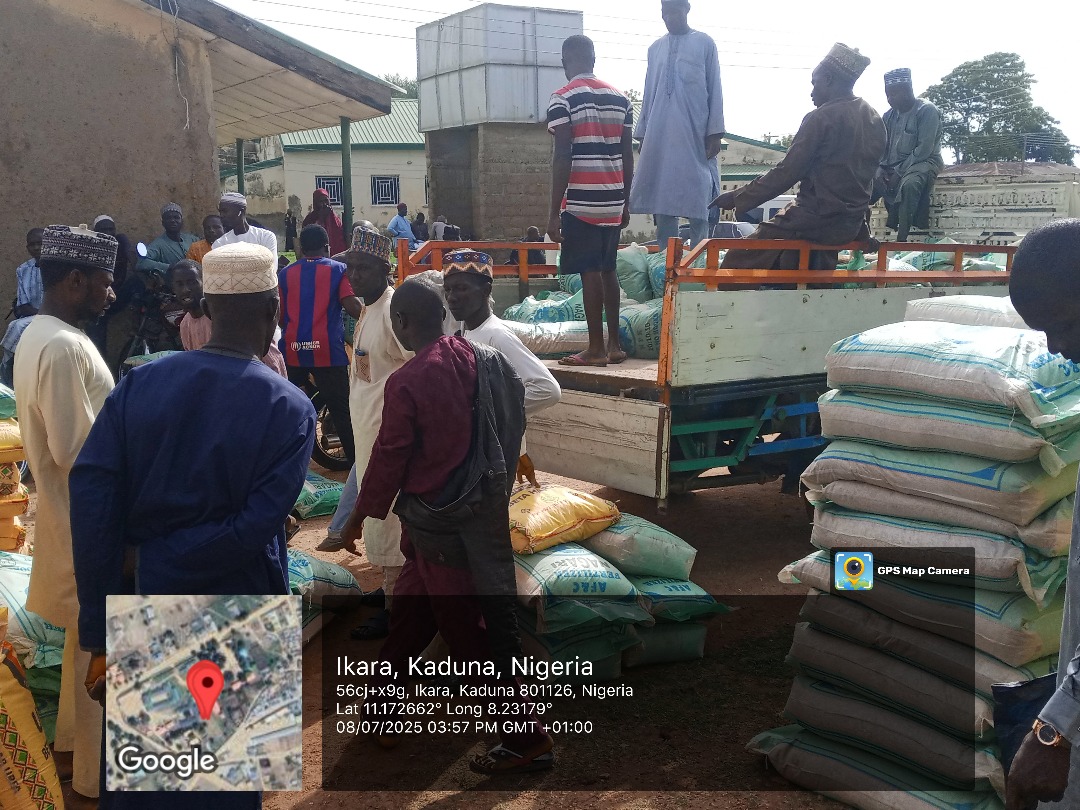
As part of its commitment to improving agricultural productivity and supporting smallholder farmers, the Special Agro-Industrial Processing Zones (SAPZ) Program has successfully completed the distribution of critical farm inputs to 1,000 maize farmers across eight (Local Government Areas (LGAs) in Kaduna State.
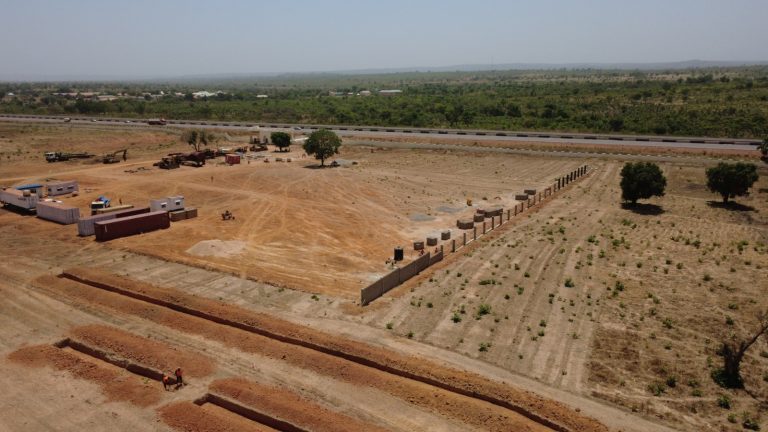
The exercise was targetted at LGAs within the SAPZ catchment areas, with four bordering the Agricultural Transformation Centre (ATC) – Kubau, Lere, Ikara, and Soba, and the other four bordering the Agro-Industrial Hub (AIH) – Chikun, Kajuru, Kagarko, and Kachia.
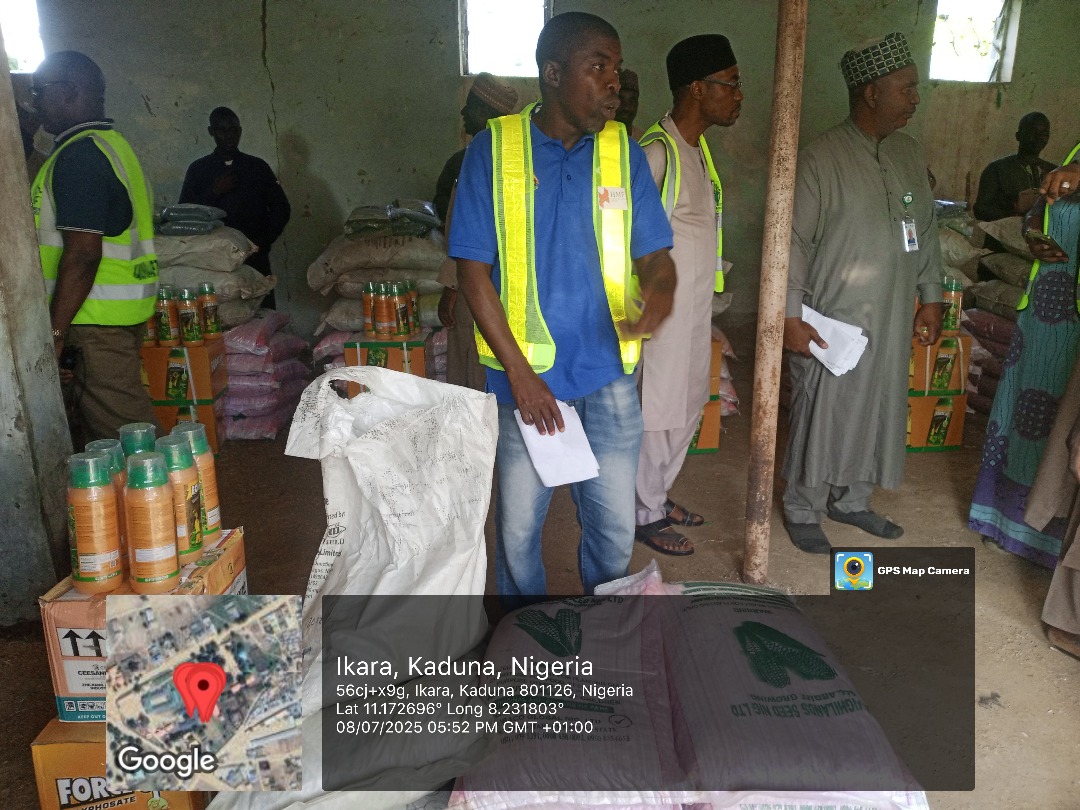
Each selected farmer received a comprehensive package comprising 6 bags of NPK 20:10:10 fertilizer, 2 bags of Urea, 20kg of hybrid maize seeds, 3 litres of glyphosate, 2 packs of atrazine, 2 litres each of nicosulfuron and cypermethrin+dimethoate, and 10kg of aflasafe, all under a contract farming, off-take arrangement. The total quantity of distributed inputs included 6,000 bags of NPK fertilizer, 2,000 bags of Urea, 20,000kg of maize seeds, and 10,000kg of aflasafe, alongside thousands of litres and packs of agrochemicals.
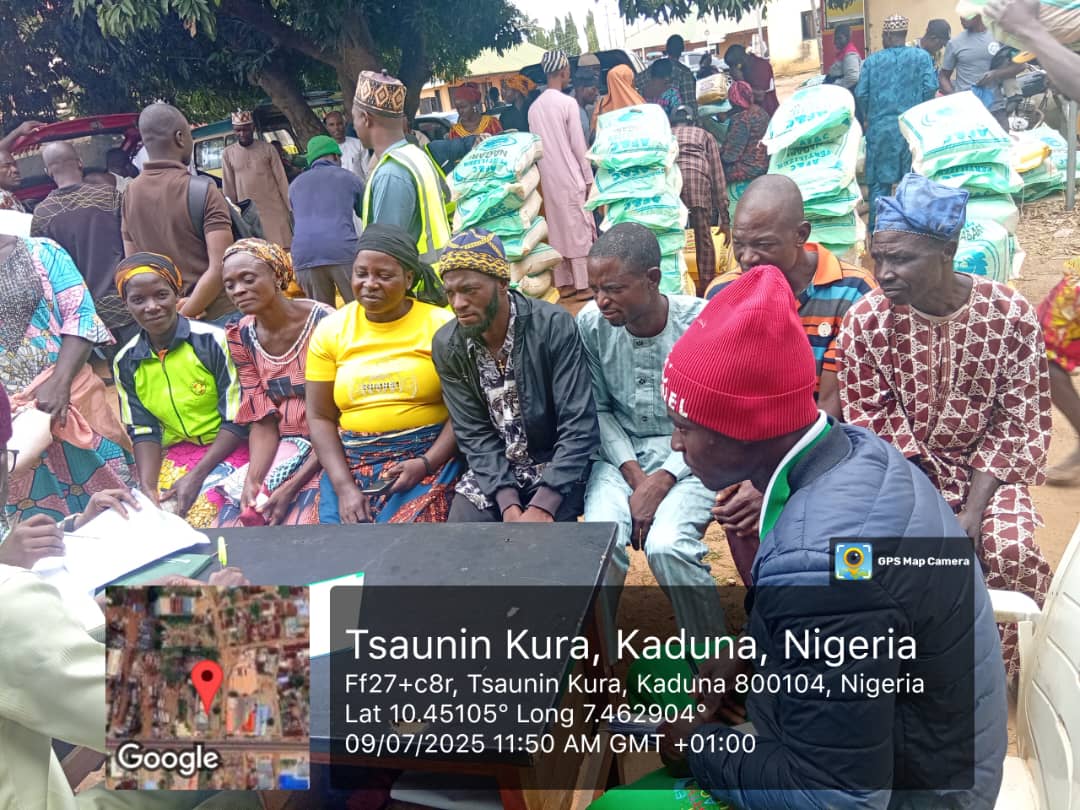
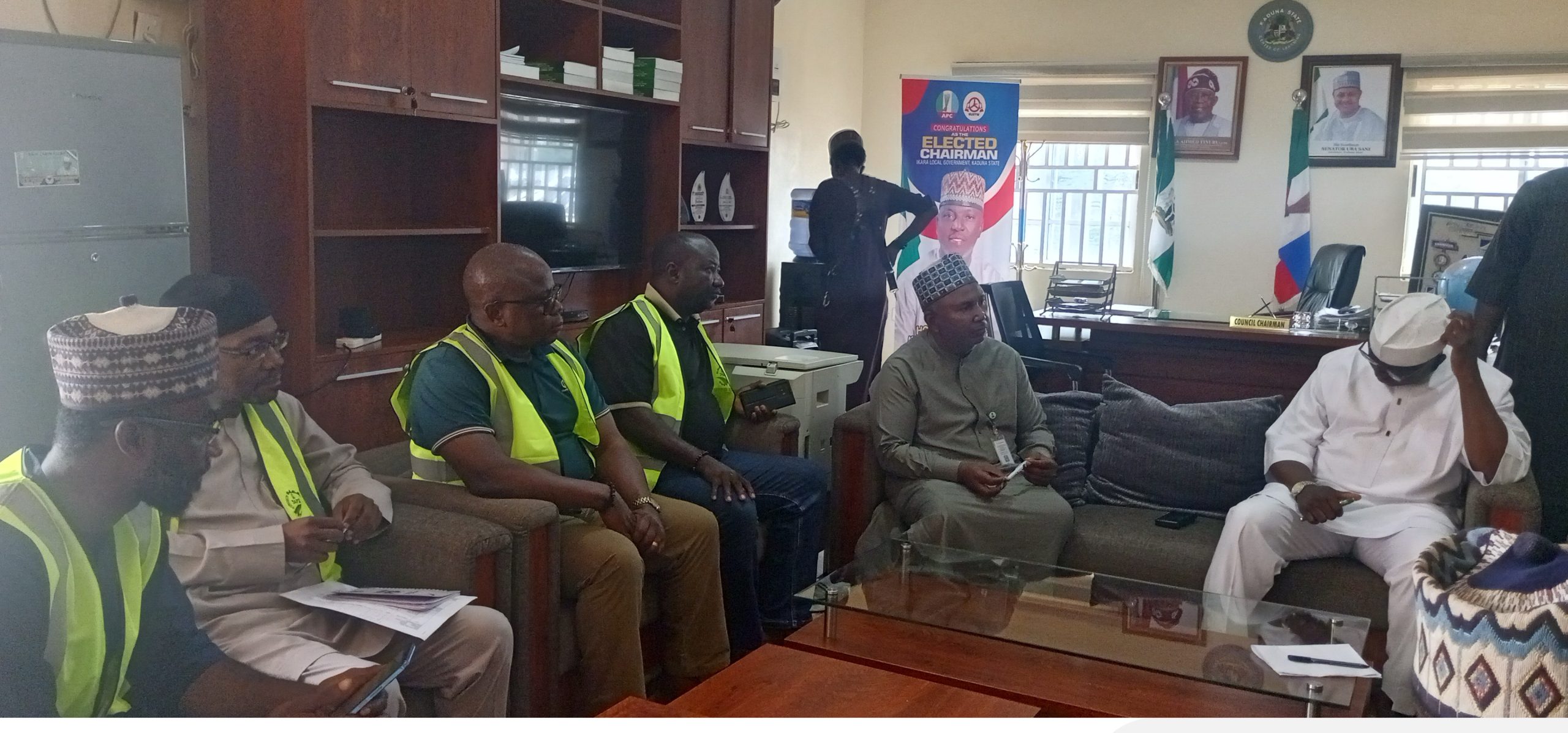
To ensure transparency and accountability, beneficiaries were drawn from registered cooperatives, with each cooperative nominating ten members. All farmers signed contract farming and attestation forms, which were countersigned by LGA Chairmen acting as guarantors. Furthermore, evidence-based documentation, including photographs of beneficiaries and signed agreements, was collected in all locations.
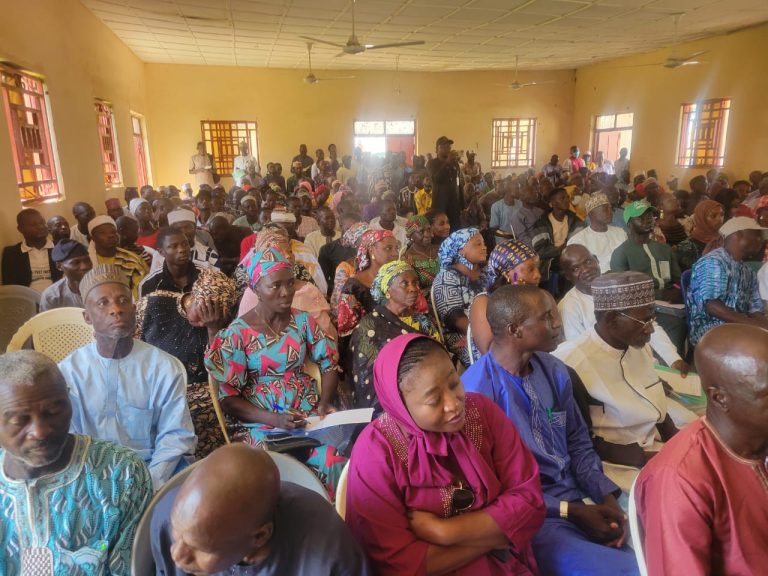
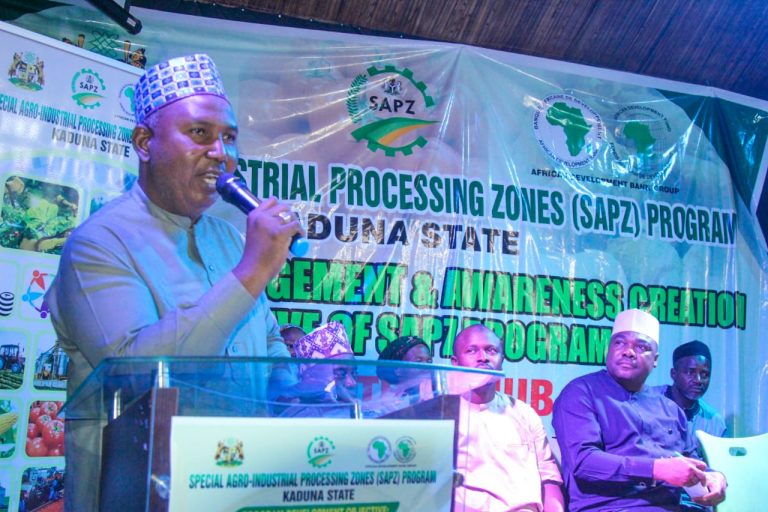
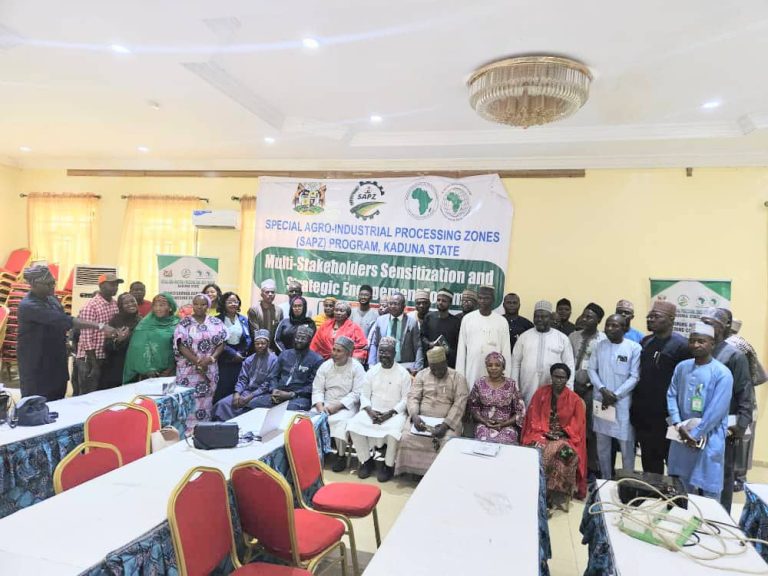
Farmer sensitization and advocacy efforts had been conducted prior to the distribution, ensuring that communities were aware of the initiative. The program prioritized gender inclusion and support for vulnerable groups, reinforcing SAPZ’s commitment to inclusive development. Additionally, all participating farmers were covered by agricultural insurance to cushion against unforeseen risks.
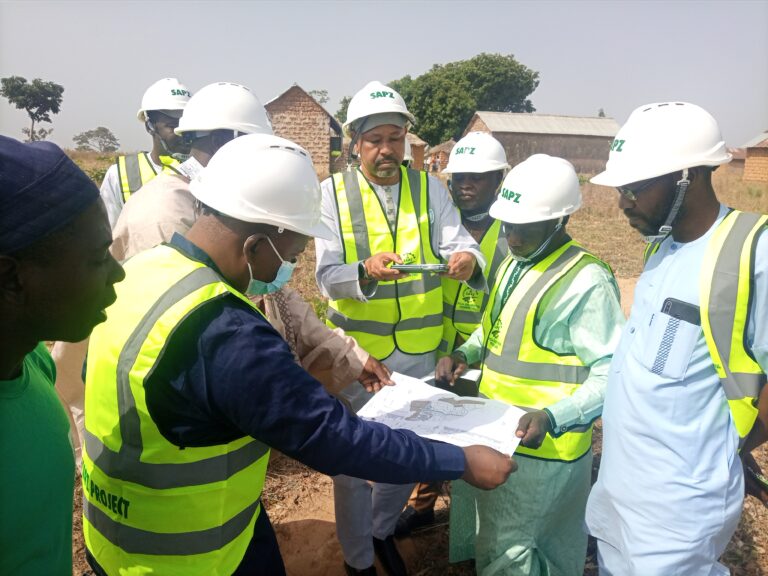
Despite the overall success, there were some indications of gaps in farmer knowledge on input usage, which were identified. These were promptly addressed through on-site training and demonstrations, emphasizing proper handling and safe application of agrochemicals.
The input distribution recorded notable achievements. Besides reaching 1,000 farmers, the quality and timely delivery of inputs contributed significantly to improved planting readiness, setting the stage for increased productivity in the 2025 wet season. The exercise also reinforced the value of quality control, community engagement, and strong coordination among stakeholders.
From this experience, the SAPZ team has learned valuable lessons ranging from early planning, continuous farmer education, and robust monitoring and evaluation systems. These insights will inform future interventions and help scale up the program in the coming planting seasons.
Moving forward, SAPZ plans to expand the number of beneficiaries and enhance service delivery, based on the success and feedback from this pilot phase. With a strong foundation now established, the SAPZ Program continues to drive inclusive agricultural transformation in Kaduna State, contributing to food security, income generation, and rural development.