Empowering 1,000 Maize Farmers with Good Agronomic Practices Under SAPZ Kaduna Program
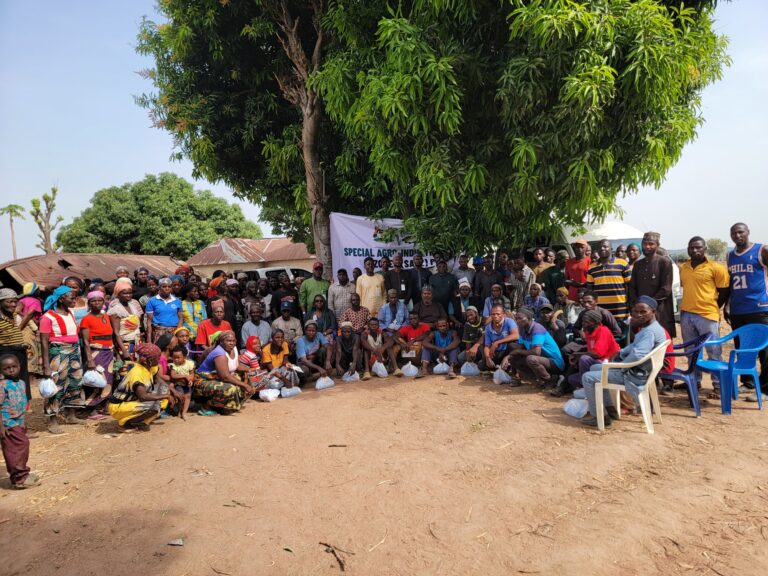
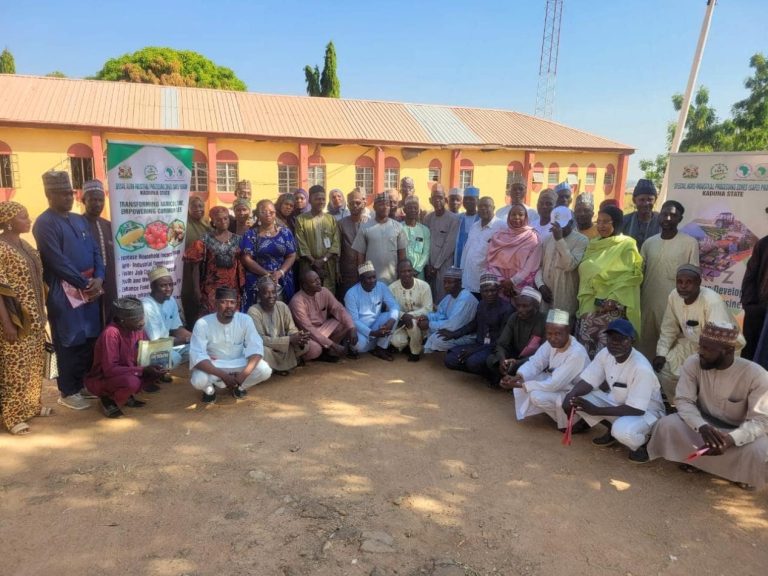
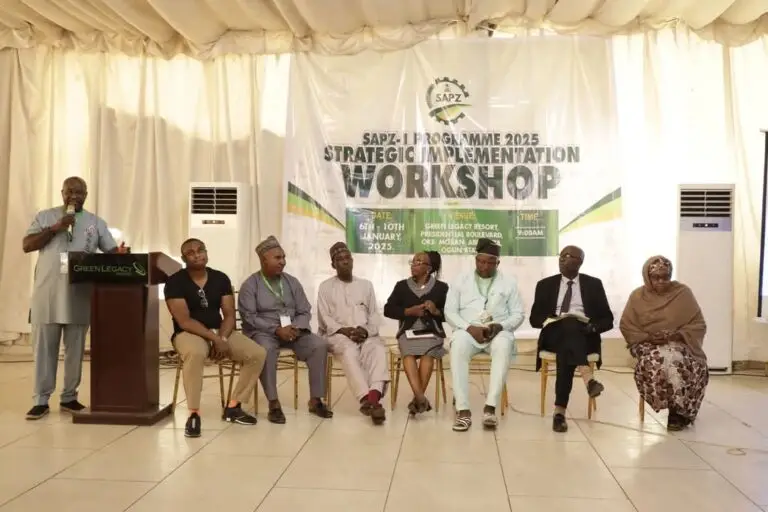
As part of the Special Agro-Industrial Processing Zones (SAPZ) Kaduna Program, 1,000 maize farmers who benefited from the wet season input distribution have successfully undergone a comprehensive training on Good Agronomic Practices (GAP).
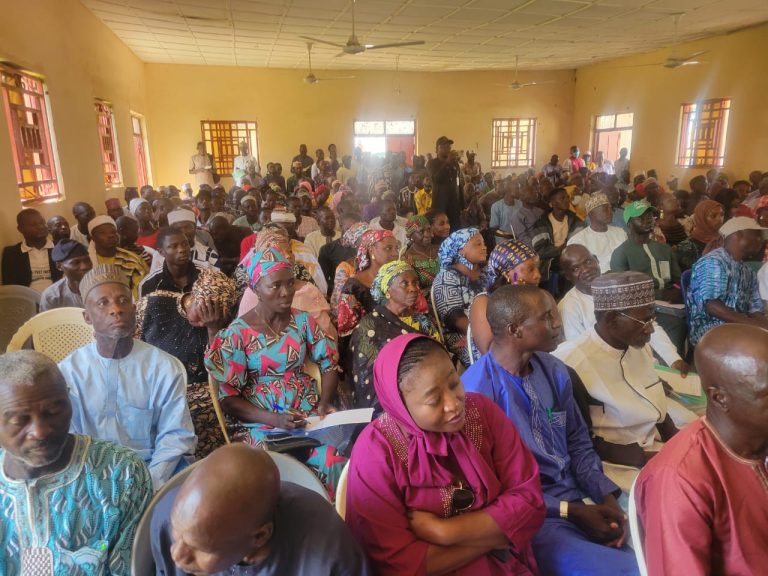
The training sessions, which took place across eight Local Government Areas (LGAs) including Chikun, Kajuru, Kachia, Kagarko, Kubau, Ikara, Soba, and Lere, aimed to enhance the farmers’ productivity and promote sustainable agricultural practices in maize production.
The focus of the training was on the use of high-yield seeds, proper fertilizer application, and safe agro-chemical usage. These three components are critical for improving yields, ensuring soil health, and minimizing the impact of pests and diseases. Given the growing concerns over food security and climate change, the importance of equipping farmers with scientifically-backed agronomic practices cannot be overstated. The use of improved seed varieties, balanced fertilization, and integrated pest and disease management (IPDM) are essential tools in modern farming that help farmers maximize productivity while preserving the environment.
Each session was participatory, with farmers actively engaging in discussions, asking relevant questions, and sharing their field experiences. Practical demonstrations, such as soil testing, fertilizer application techniques, and the safe handling of agro-chemicals, made the training highly impactful and relatable. Resource persons and experts provided insights into best practices, including the use of aflasafe for aflatoxin control, effective pest and disease management, and proper grain storage techniques.
Key topics discussed included the importance of plant spacing, proper timing and methods of fertilizer application, the use of Personal Protective Equipment (PPEs) during chemical application, and the role of aflasafe in enhancing food safety. In areas like Kagarko and Lere, where knowledge of aflasafe was limited, the training significantly improved farmers’ understanding and willingness to adopt the technology. In other LGAs, emphasis was placed on the benefits of contract farming and its implications for input repayment and grain delivery.
Farmers also raised concerns and made valuable suggestions, such as the need for more input support, provision of PPEs, more information on crop insurance, and clarification on expected yields and maturity periods of seed varieties like SAMMAZ-53. These feedback points highlight the importance of continuous farmer engagement and tailored extension services to address location-specific challenges.
The training has already started to yield positive results, with farmers expressing strong commitment to applying the knowledge gained. Many have adopted improved planting techniques, better fertilizer management, and safer agro-chemical practices. Importantly, the concept of contract farming was reinforced across all LGAs, ensuring that farmers understand their roles and responsibilities under the SAPZ Kaduna Program.
Looking ahead, follow-up visits are planned to support farmers through the season, monitor adoption levels, and provide additional guidance where needed. The program also recommends ongoing capacity building, regular monitoring and evaluation, and stronger collaboration with local stakeholders such as extension agents, agro-dealers, and farmer groups.
This intervention under the SAPZ Kaduna Program marks a significant step toward transforming smallholder maize farming into a more productive, sustainable, and market-oriented venture. By equipping farmers with the right knowledge and tools, the program is laying a solid foundation for improved livelihoods and strengthened food systems in Kaduna State and beyond.