SAPZ Program Enhances Extension Delivery Systems with ToT on GAP and Climate-Smart Agriculture
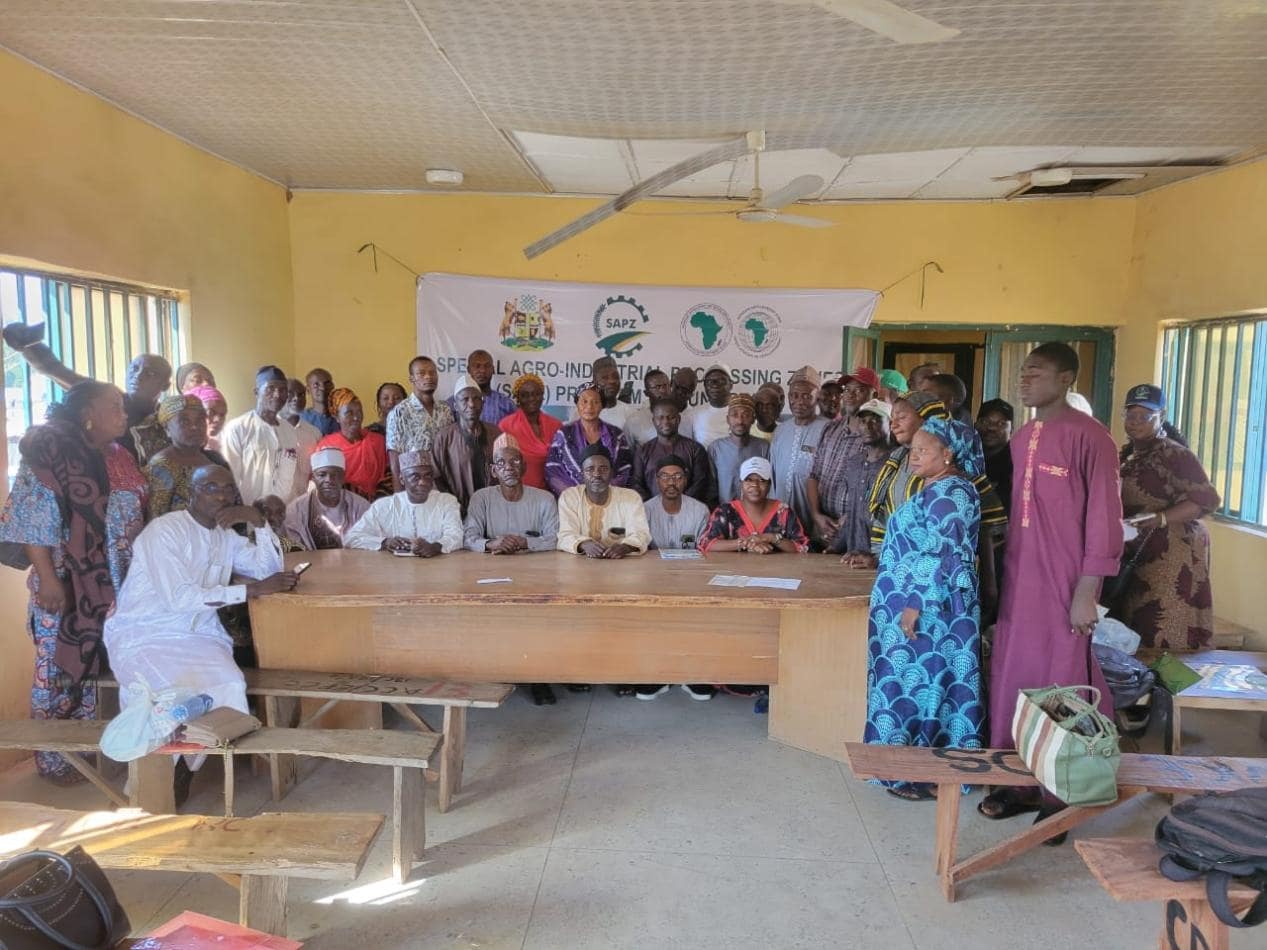
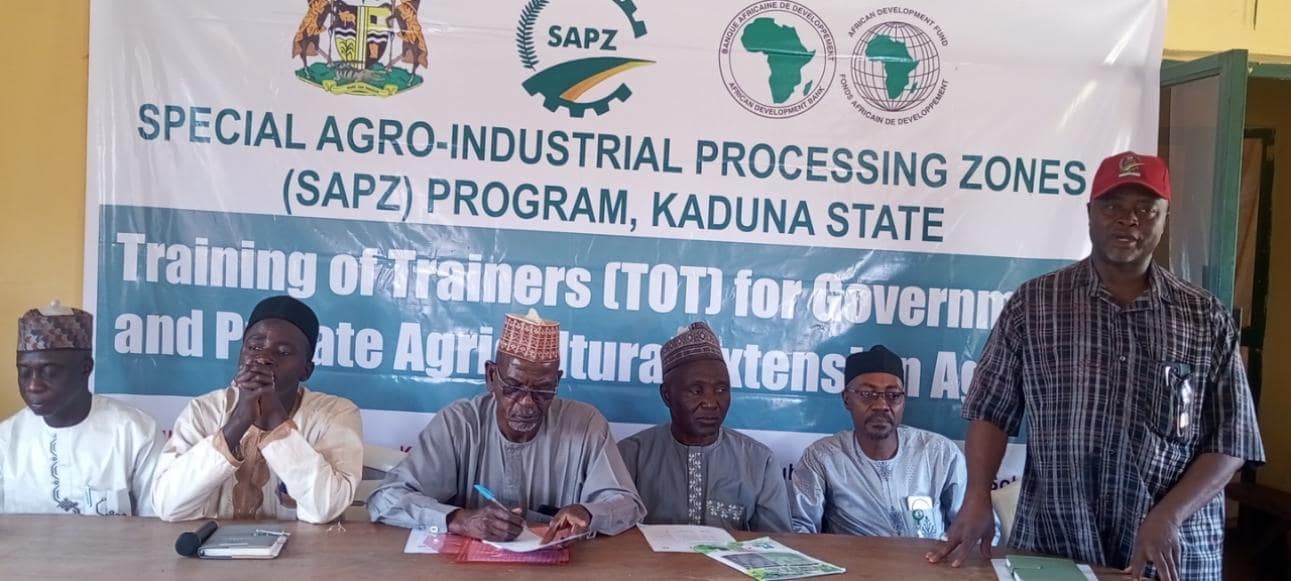
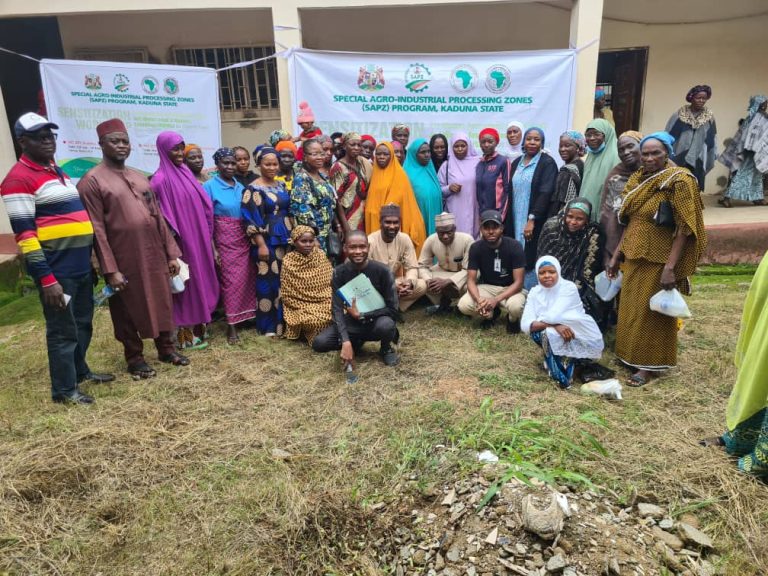
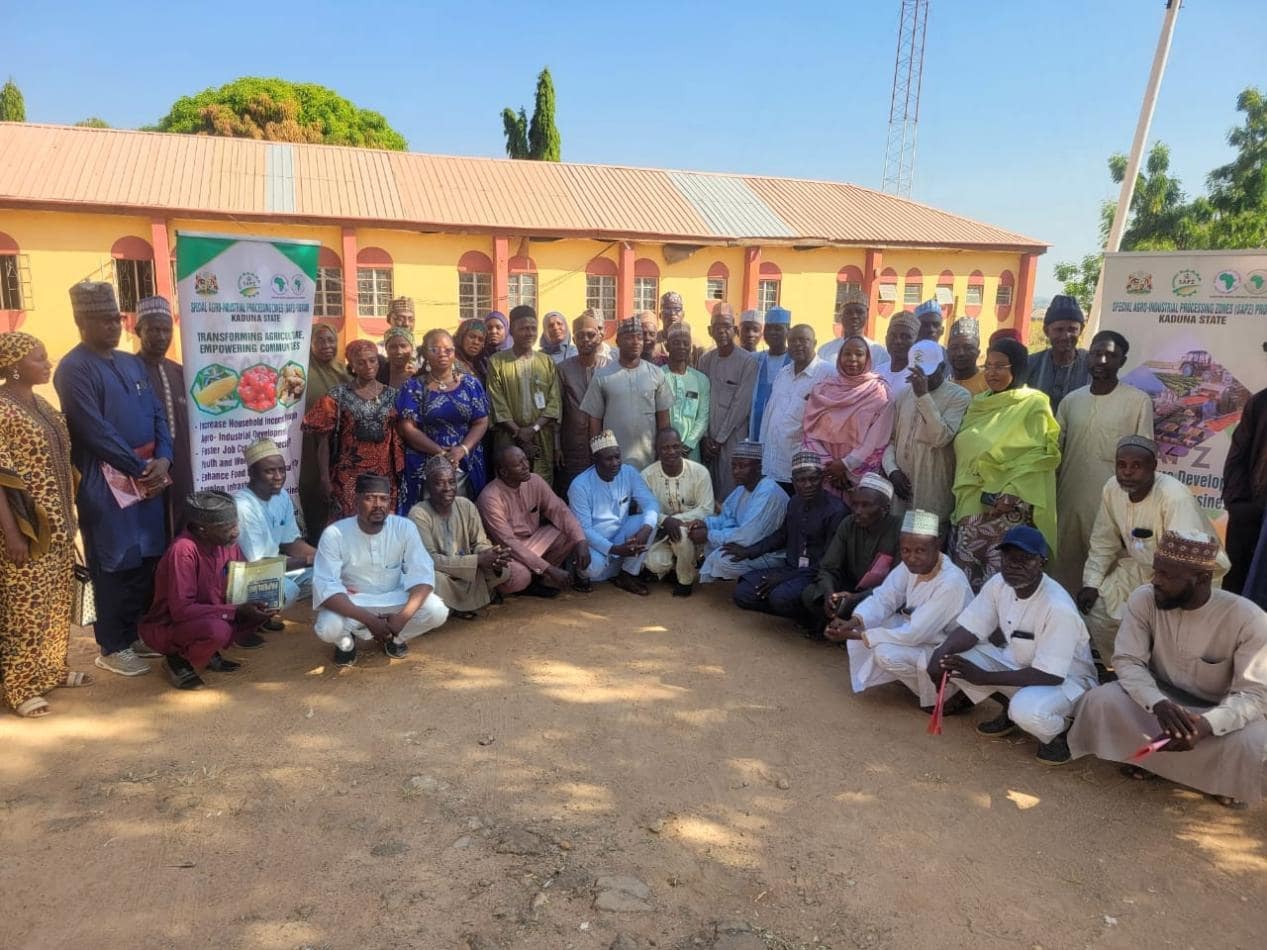
The Special Agro-Industrial Processing Zones (SAPZ) Program, Kaduna State has successfully conducted a Training of Trainers (ToT) for government and private agricultural extension agents across the program’s eight (LGAs. The training was held in Chikun and Soba LGAs, targeting frontline extension workers from the Kaduna Agricultural Development Agency (KADA), Local Government Departments of Agriculture and private extension service providers.
The ToT was designed to improve the technical capacity of extension agents in Good Agronomic Practices (GAP), with a strong focus on Climate-Smart Agriculture, efficient harvest techniques, post-harvest handling and improved storage practices for SAPZ priority value chains; maize, tomato and ginger. Participants were also trained on the Principles of Agricultural Extension Services and modern E-Extension communication tools to improve their outreach to farmers.
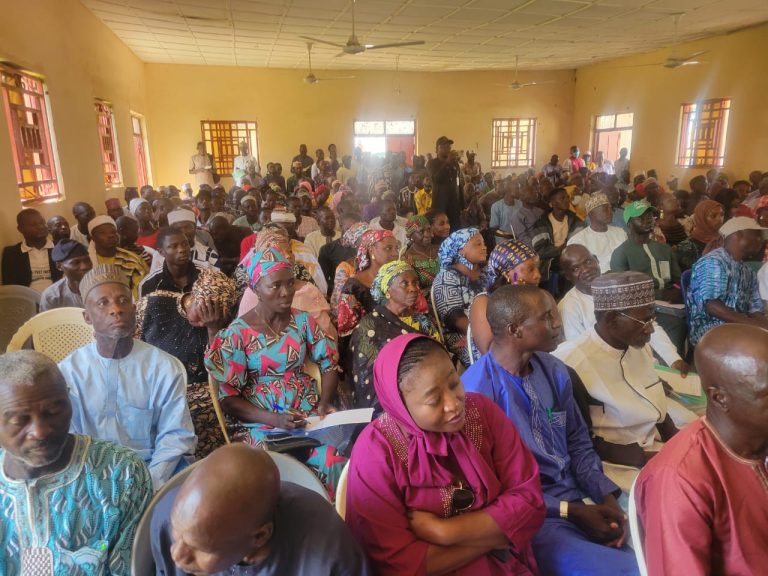
A total of 85 extension agents benefitted from the program and the sessions were facilitated by experts including Prof. Yusuf Abdullahi from the National Agricultural Extension Research & Livestock Services (NAERLS), Ahmadu Bello University, Zaria, who delivered practical, experience-based guidance, tailored to the needs of Kaduna farmers.
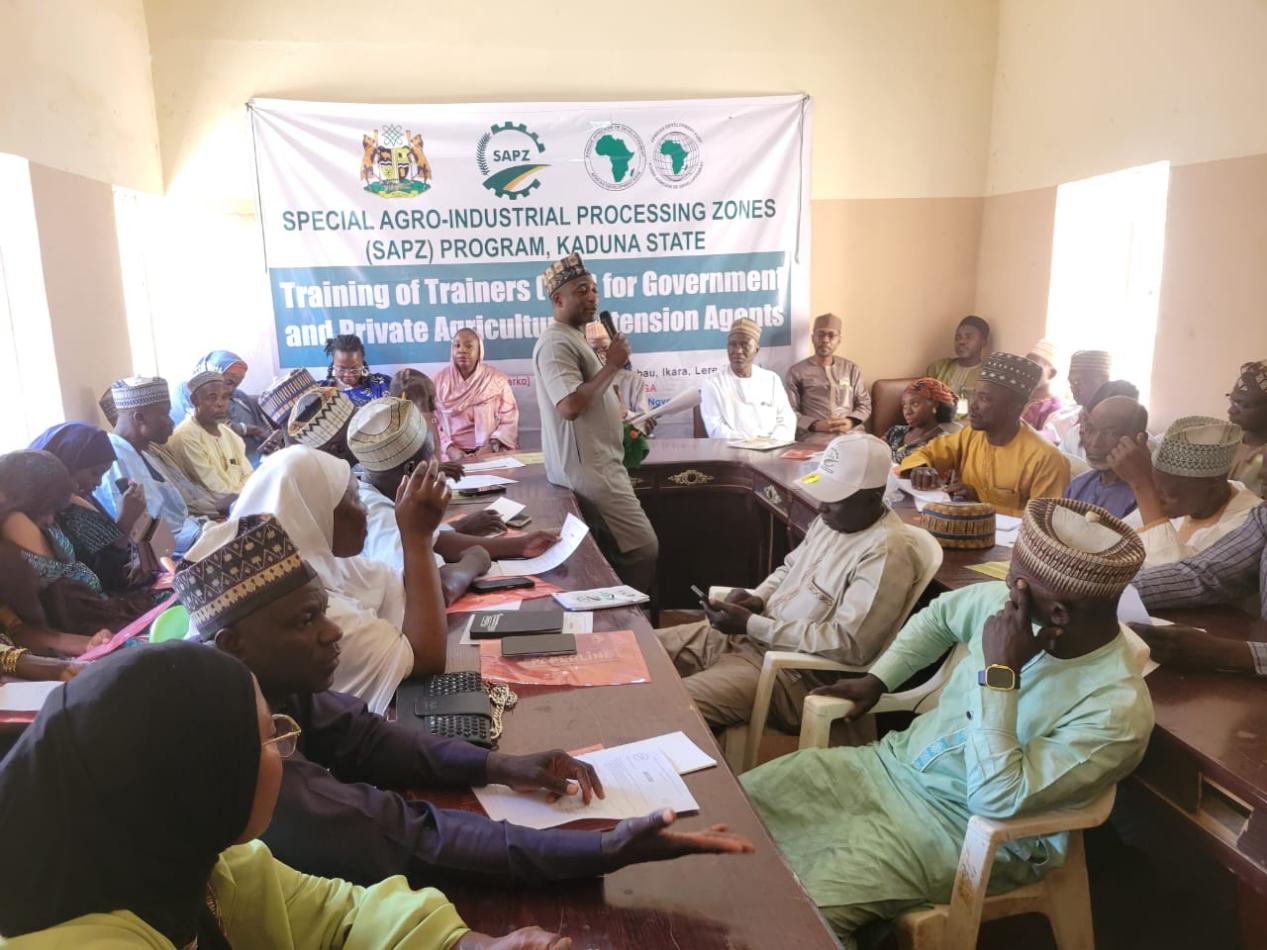
The training approach combined lectures, group discussions, demonstrations and interactive engagements. This enabled participants to share field experiences, exchange best practices and strengthen peer networks, an important foundation for sustaining quality extension service delivery.
Key outcomes from the ToT show that participants improved their knowledge of GAP and climate-smart technologies, enhanced their communication and training delivery skills, and developed stronger confidence to support farmers more effectively. Many participants also formed professional linkages aimed at improving collaboration across LGAs.
To ensure sustainability, participants developed an action plan outlining steps for cascading training to SAPZ farmers in their communities. These include conducting farmer field visits, supporting the use of farm record books, and participating in routine monitoring and evaluation activities to track the impact of the training.
The SAPZ Kaduna Program recommends follow-up mentoring for the trained agents and provision of additional resources to enhance E-extension delivery. Strengthening these capacities will help build a resilient extension system capable of supporting farmers to adopt climate-smart practices and reduce post-harvest losses.
Overall, the ToT marks a significant step toward improving agricultural productivity and ensuring that farmers across Kaduna State receive high-quality technical support. The SAPZ Program remains committed to empowering frontline extension providers who play a crucial role in transforming the agricultural sector and improving livelihoods.