Agro-Industrial Transformation gains Momentum as Kaduna Approves AIH Design
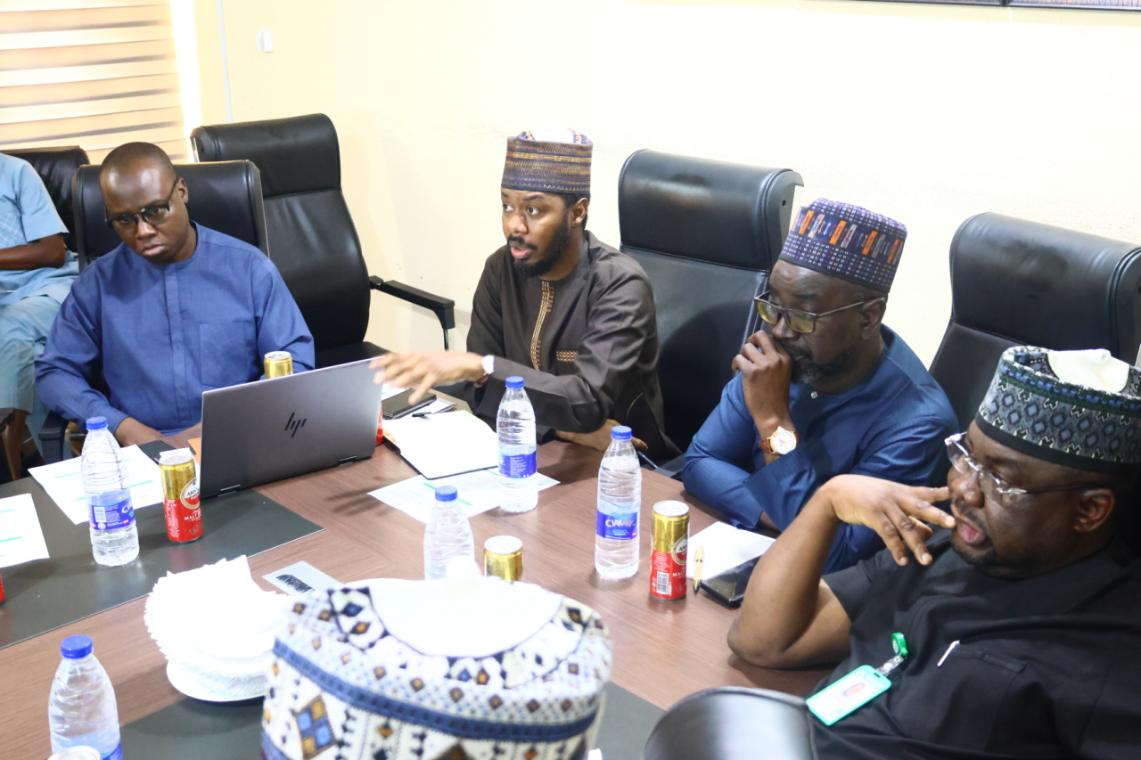
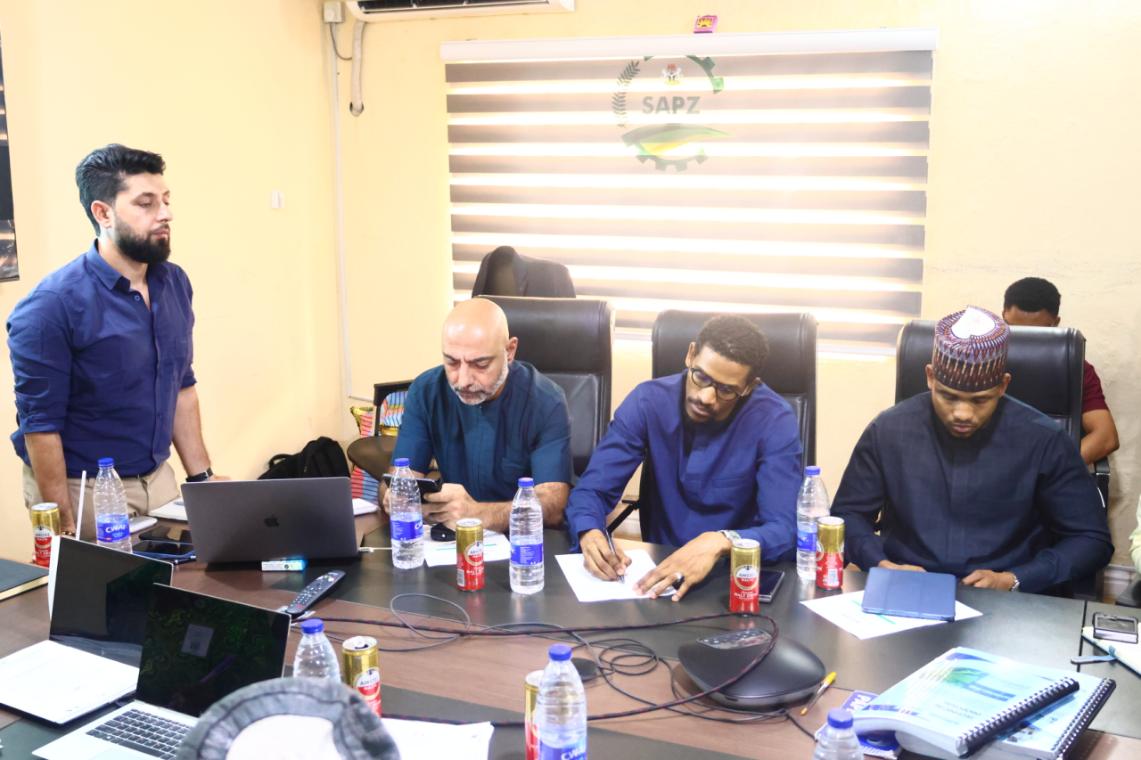
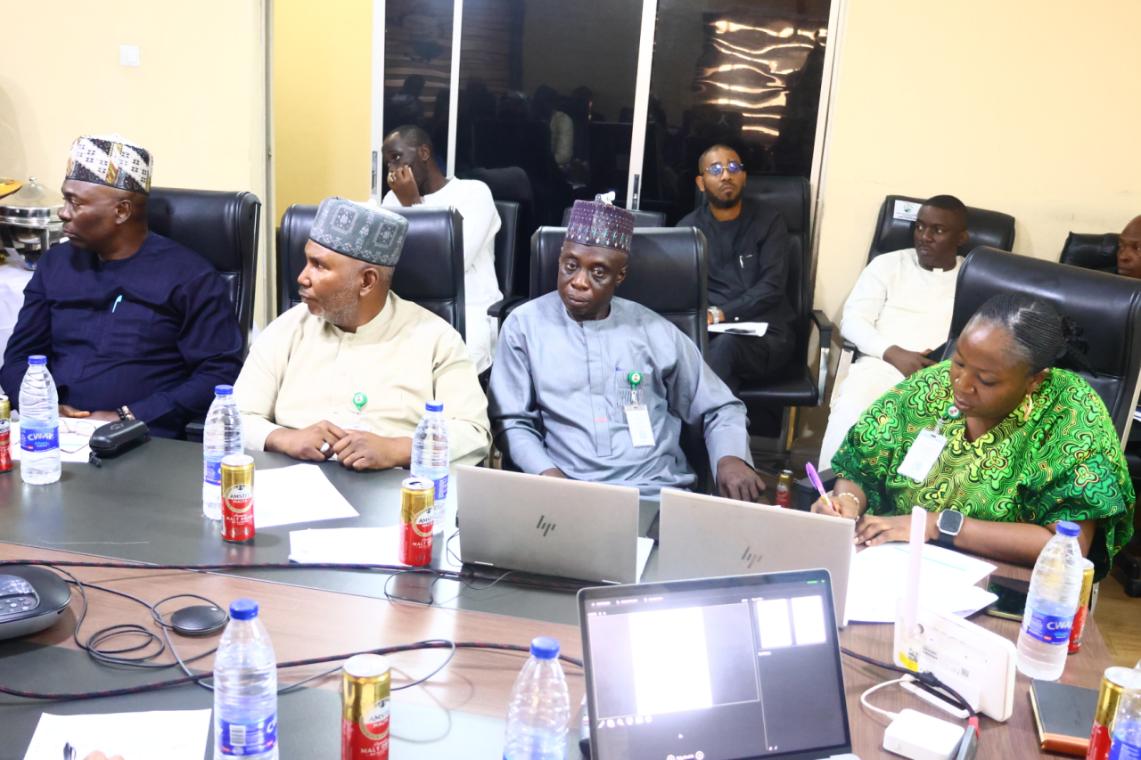
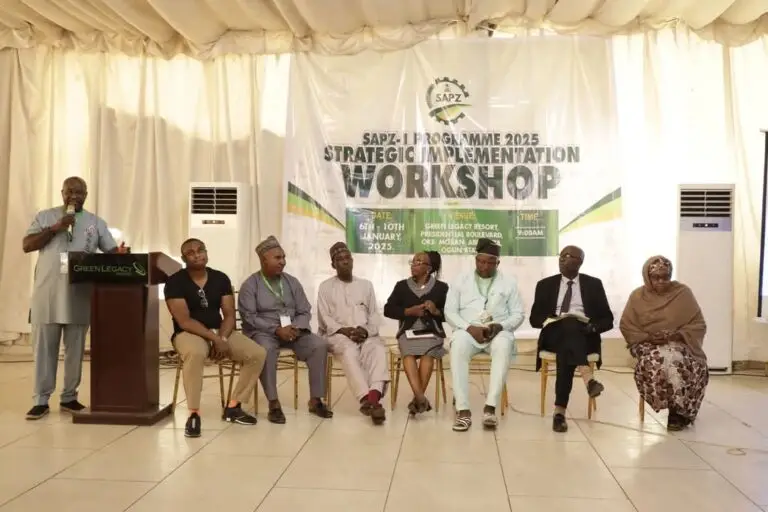
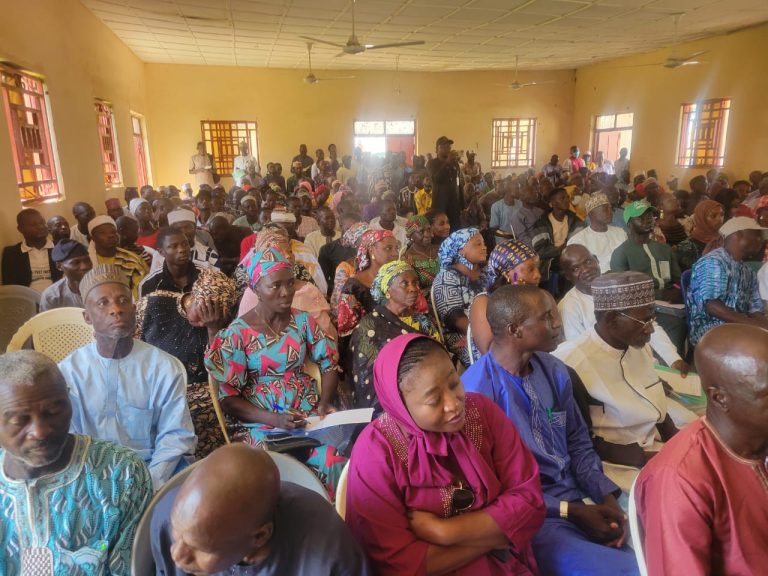
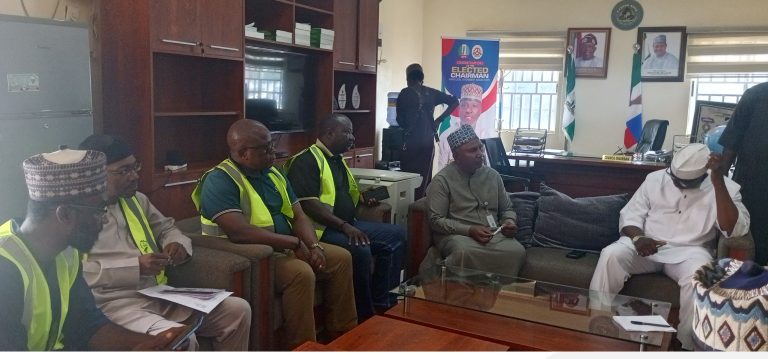
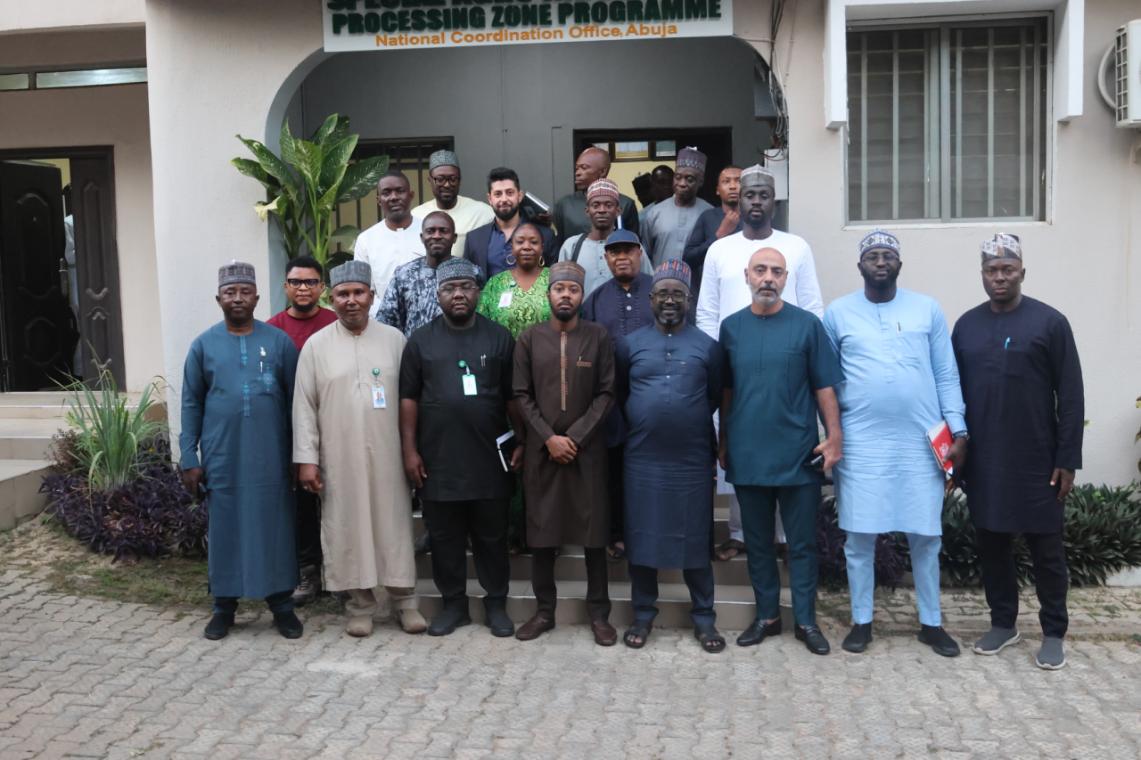
Kaduna State has successfully validated the design of its proposed Agro-Industrial Hub (AIH) under the Special Agro-Industrial Processing Zones (SAPZ) Programme, marking a significant milestone in the state’s drive toward agro-industrialization and value-chain development. The validation was achieved during a multi-stakeholder workshop held on 4 December 2025 at the SAPZ National Coordination Office in Abuja, bringing together key public and private sector stakeholders involved in the program’s implementation.
The workshop was convened to review the draft AIH design, confirm its alignment with technical, environmental, and economic standards, and ensure that it meets the expectations of investors and end-users. Participants included representatives of the Kaduna State Government, the SAPZ National Coordination Office, transaction advisory team, technical consultants, and the Design-Build-Operate contractor responsible for the hub’s development.
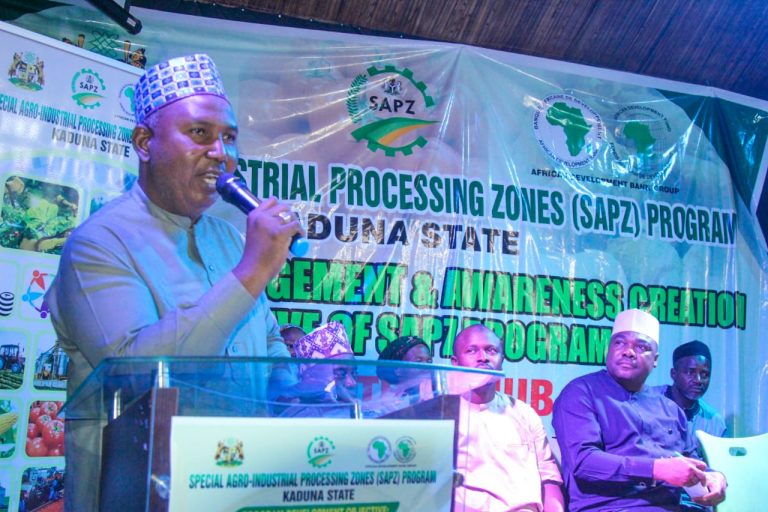
In his opening remarks, the Commissioner for Agriculture, Kaduna State, described the validation exercise as a critical step toward ensuring that the AIH is fit-for-purpose and capable of driving sustainable economic growth. He emphasized agriculture’s central role in Kaduna State’s development agenda, noting the importance of transitioning from raw commodity exports to value-added processing. According to him, the SAPZ Programme presents an opportunity to unlock jobs, attract investment, strengthen food and nutrition security, and enhance the state’s competitiveness in regional and international markets.
Delivering a goodwill message, the National Programme Coordinator of SAPZ Nigeria commended Kaduna State for its leadership and strong political commitment to the programme. He reiterated that the SAPZ initiative is a national priority aimed at boosting food security, promoting agro-processing, and reducing Nigeria’s dependence on oil revenues. He highlighted the importance of value addition in driving inclusive growth and noted that the SAPZ model is designed to stimulate employment, strengthen rural economies, and encourage private-sector participation.
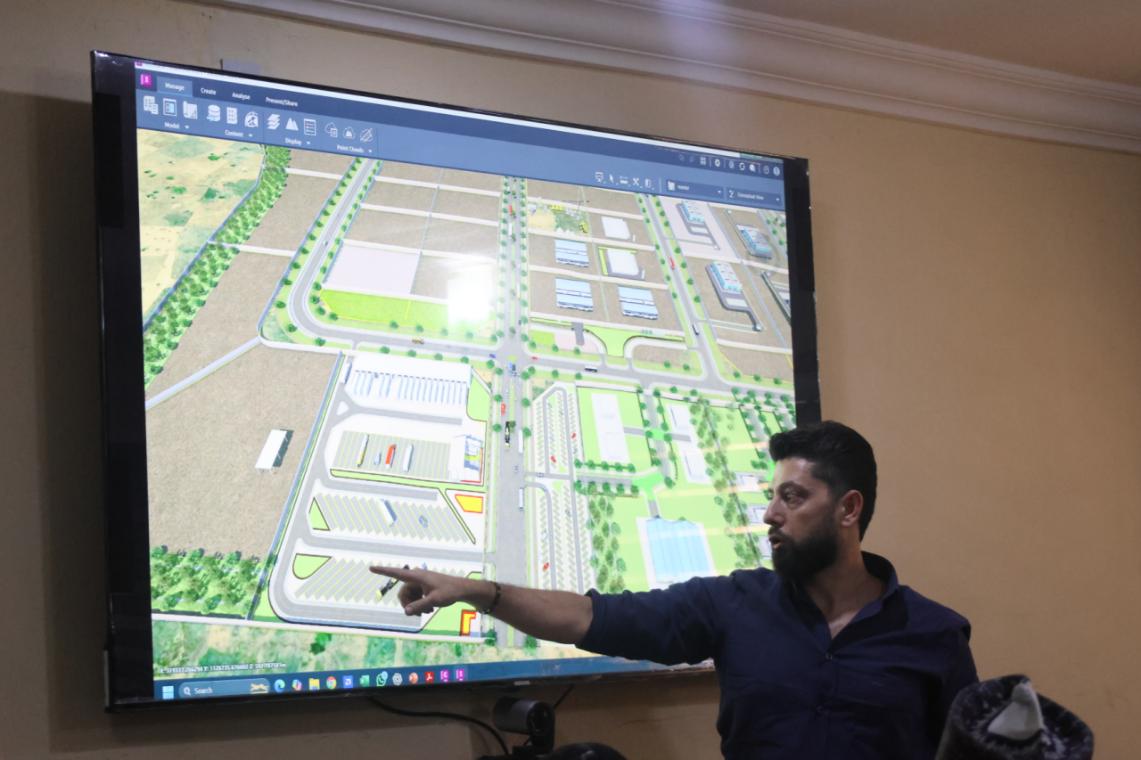
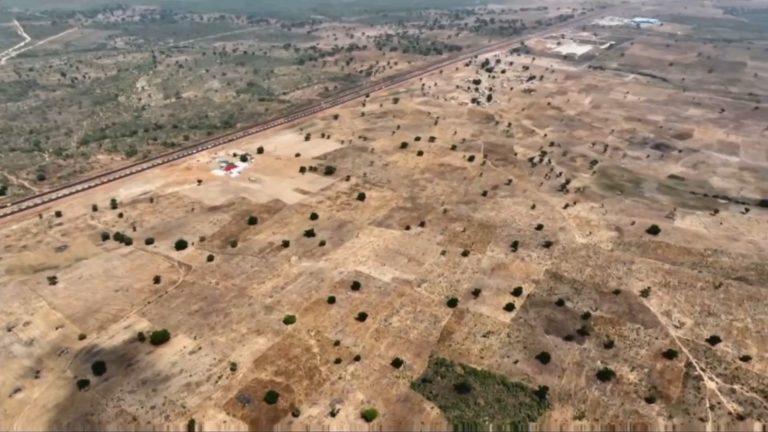
The Design-Build-Operate contractor presented the finalized AIH design and masterplan, showcasing the proposed layout, infrastructure, and utilities that will support efficient agro-industrial operations. The presentation covered industrial plot distribution, internal road networks, drainage systems, water supply and wastewater treatment facilities, power infrastructure, green buffers, and zoning arrangements to enhance operational efficiency. A three-dimensional visualization of the hub was also presented to provide stakeholders with a clear understanding of the overall development concept.
Stakeholders engaged actively during the discussions, offering constructive feedback and affirming that the design reflects sound planning principles and international best practices for industrial hubs. The collaborative review process ensured that the AIH design is technically robust, environmentally sustainable, and well-positioned to attract investors across various agro-processing value chains.
At the conclusion of the workshop, a motion for validation of the AIH design was unanimously adopted, signifying formal approval by all stakeholders. The Kaduna State Government reaffirmed its commitment to ensuring the timely implementation and operationalization of the Agro-Industrial Hub, noting that the project aligns with the state’s broader economic transformation agenda. The successful validation of the AIH design represents a major step forward in delivering the objectives of the SAPZ Programme and advancing agro-industrial development in Kaduna State.