SAPZ Kaduna Conducts Sensitization to Drive Community Ownership and Inclusive Participation
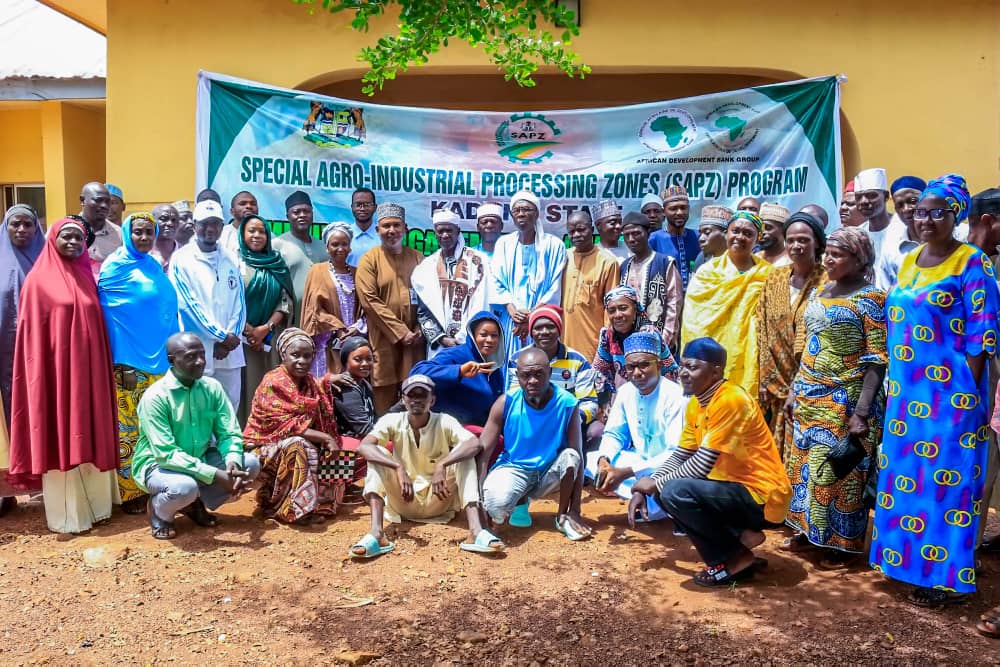
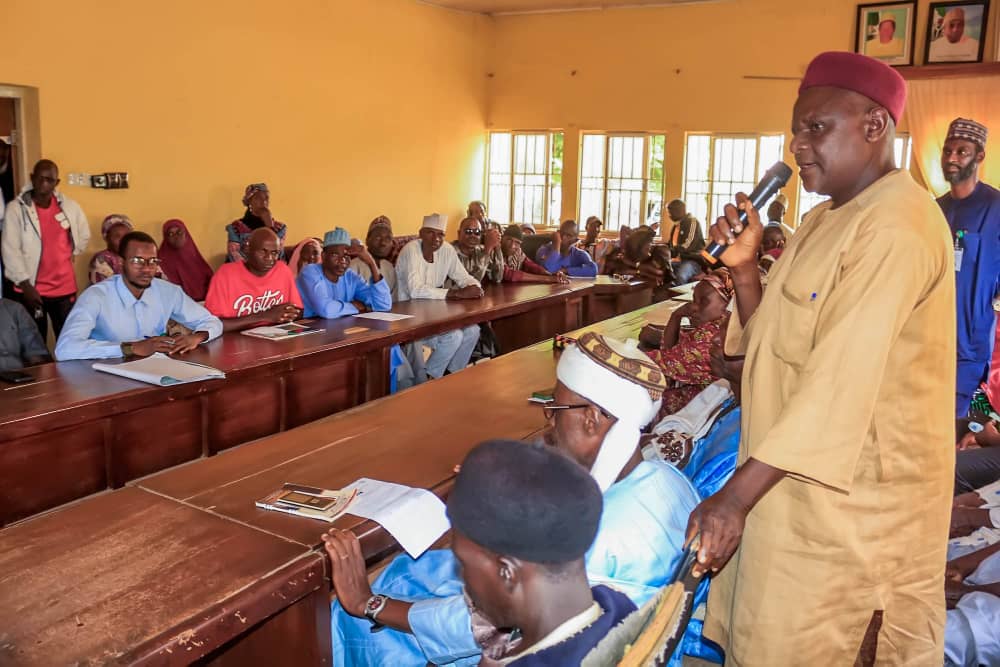
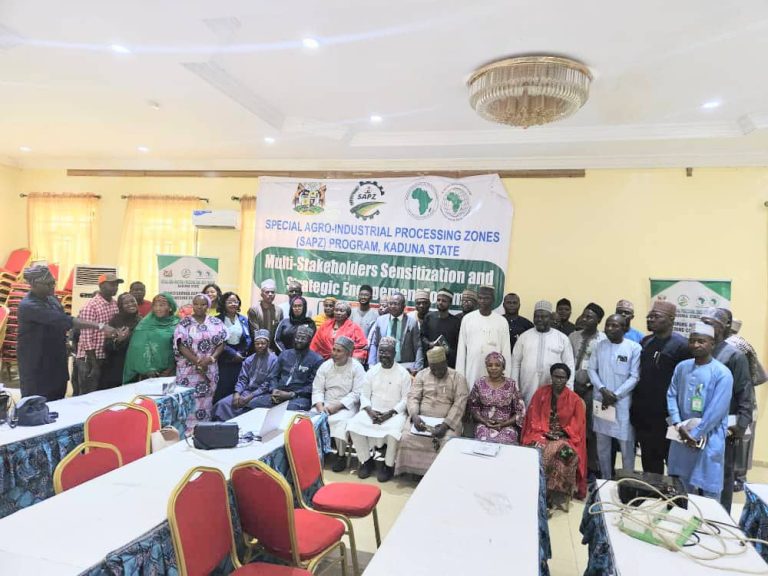
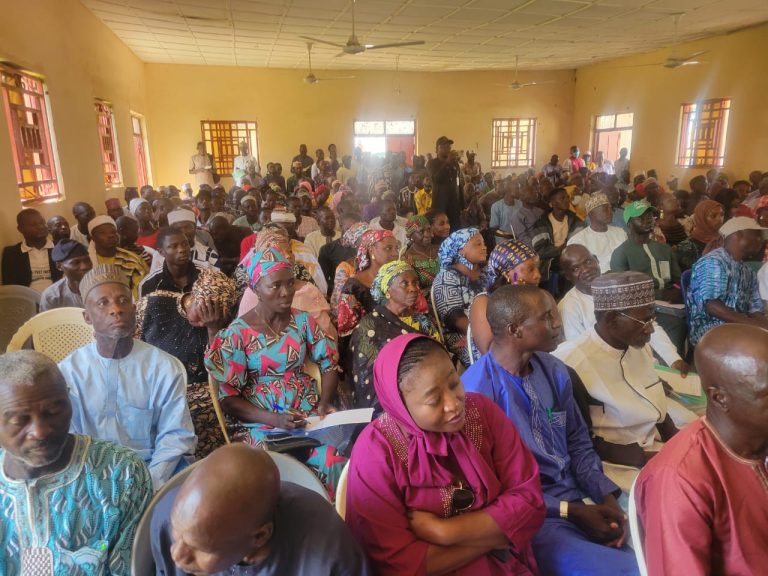
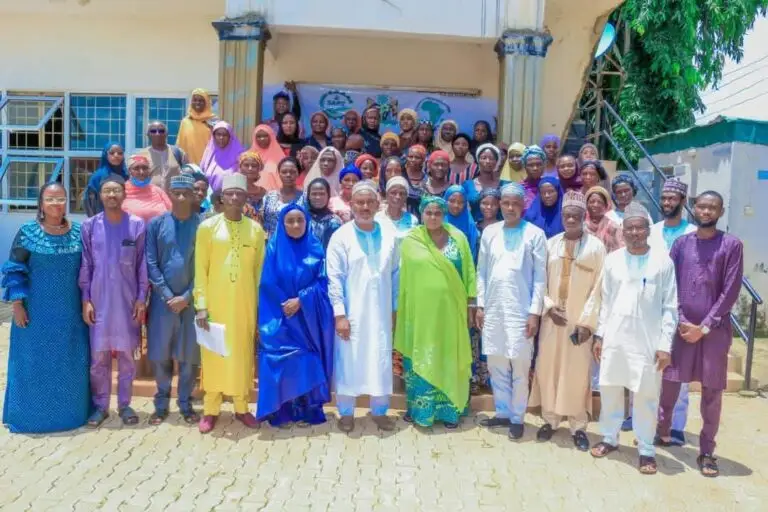
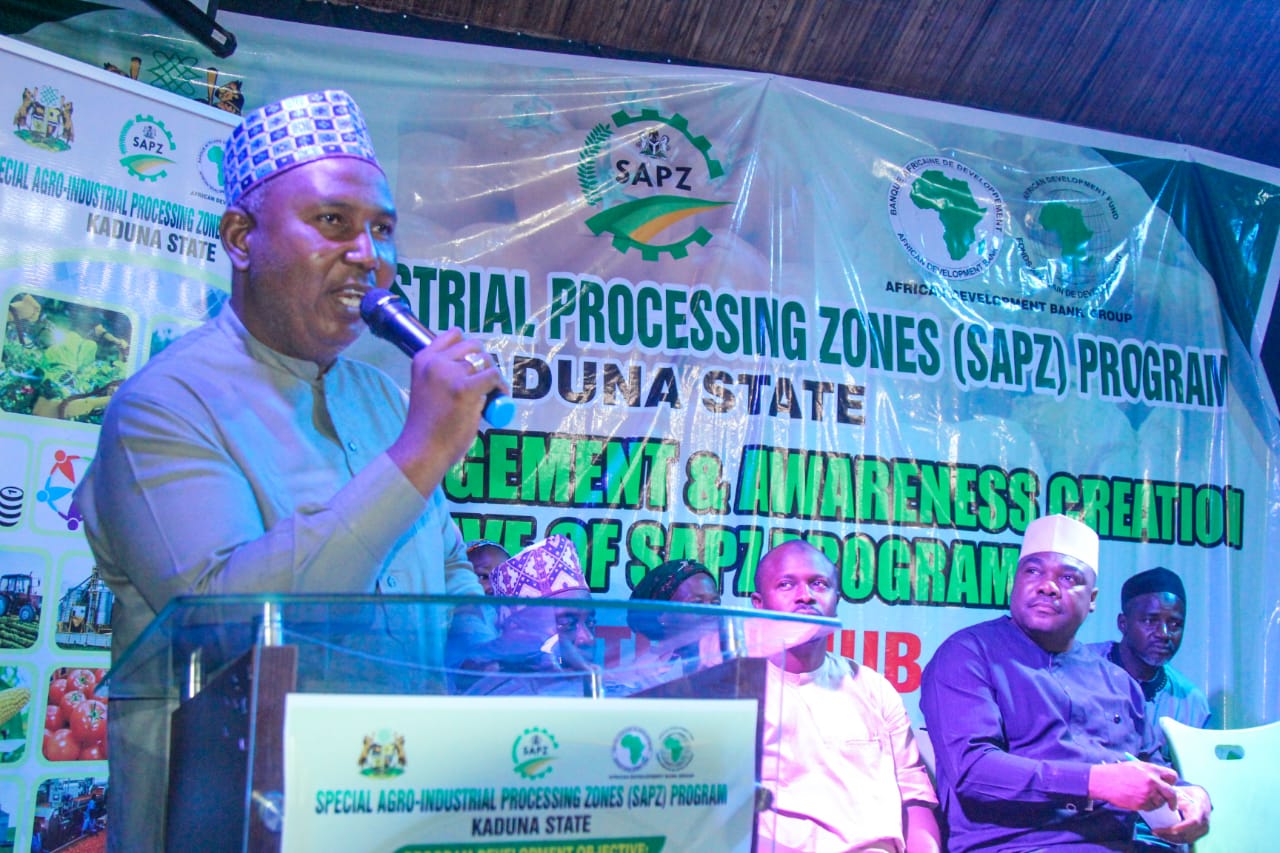
The Kaduna State Special Agro-Industrial Processing Zones (SAPZ) Program recently embarked on a robust community sensitization campaign across eight local government areas, aimed at deepening grassroots understanding, fostering local ownership, and promoting inclusive participation in the ongoing implementation of the SAPZ initiative.
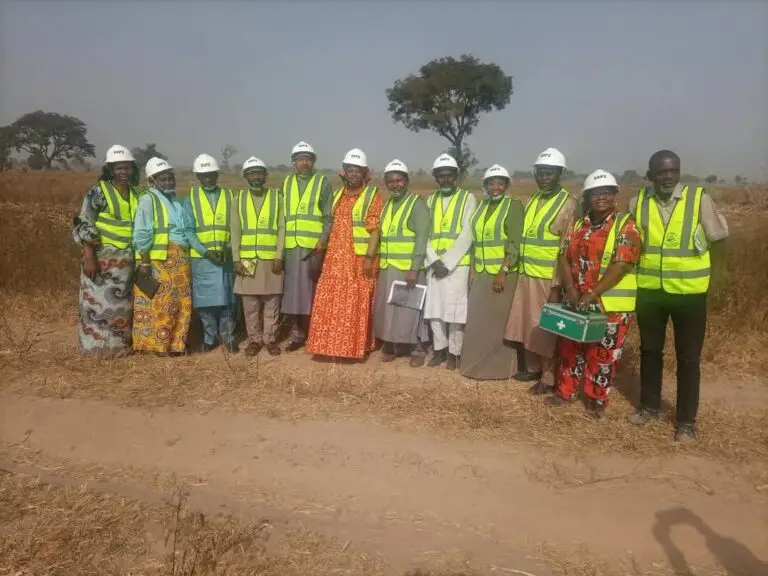
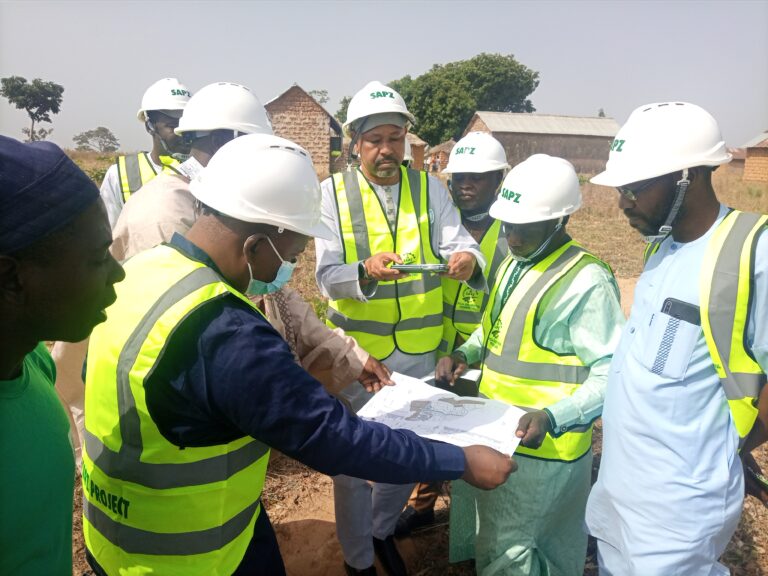
The sensitization activities were carried out in two phases, targeting communities around the Agro-Industrial Hub (AIH) located in Chikun LGA and the Agricultural Transformation Centre (ATC) in Kubau LGA. The exercise was led by the State Program Coordinator (SPC), accompanied by heads of key program components of the State Program Implementation Unit.
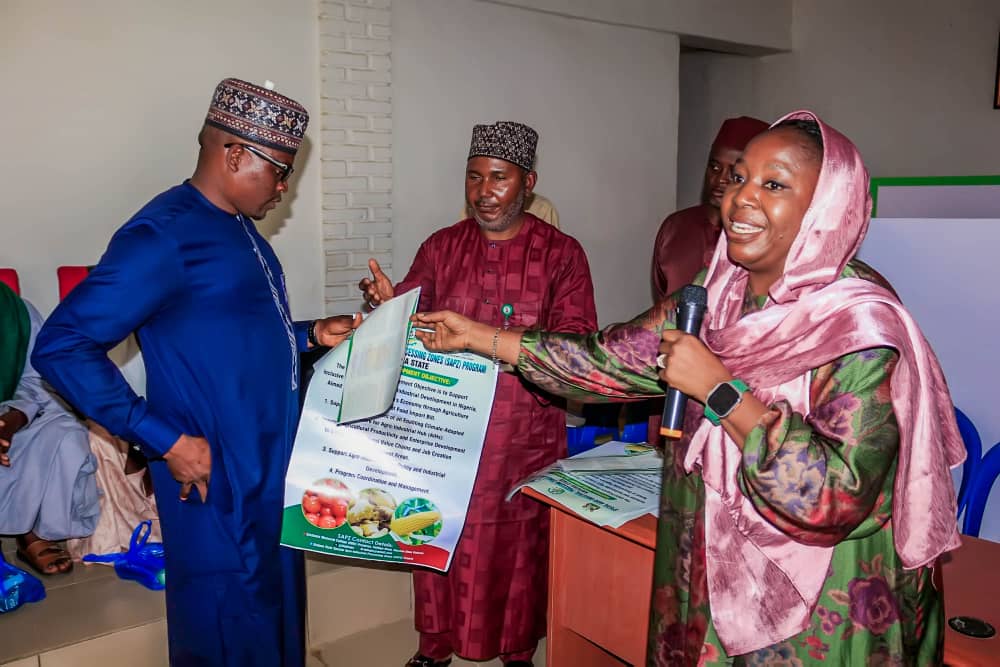
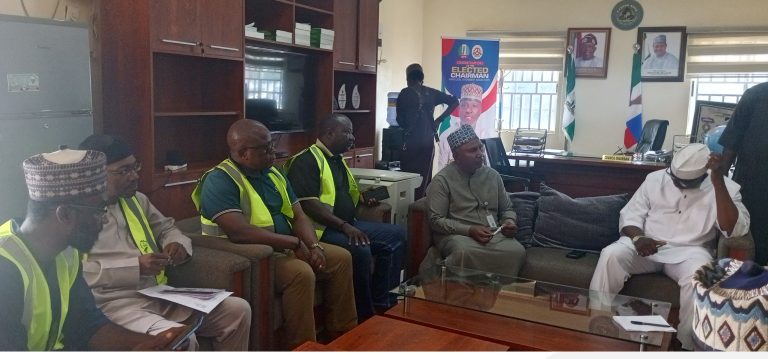
In the first phase, the sensitization team visited Chikun, Kajuru, Kachia, and Kagarko LGAs, where the AIH is expected to catalyze value-added processing of priority crops such as maize, ginger, and tomatoes. During the engagement in Chikun LGA, the Chairman, Hon. Salasi Nuhu Musa, urged community members to embrace the opportunities the program presents and reaffirmed his council’s full support. The traditional leader, Sarkin Noma, encouraged honesty and responsibility among beneficiaries, particularly with respect to input access and loan repayment. During the activity, the SPC explained that the AIH, spanning 250 hectares, is designed for secondary agro-processing and job creation, and will be accessible through cooperative-based models with a target of 50% participation by women.
Similar enthusiasm was expressed in Kajuru LGA, where the Chairman, Hon. Dauda Madaki, called on his constituents to maintain peace to enable development in the area, and applauded the program’s inclusion of his LGA as a beneficiary.
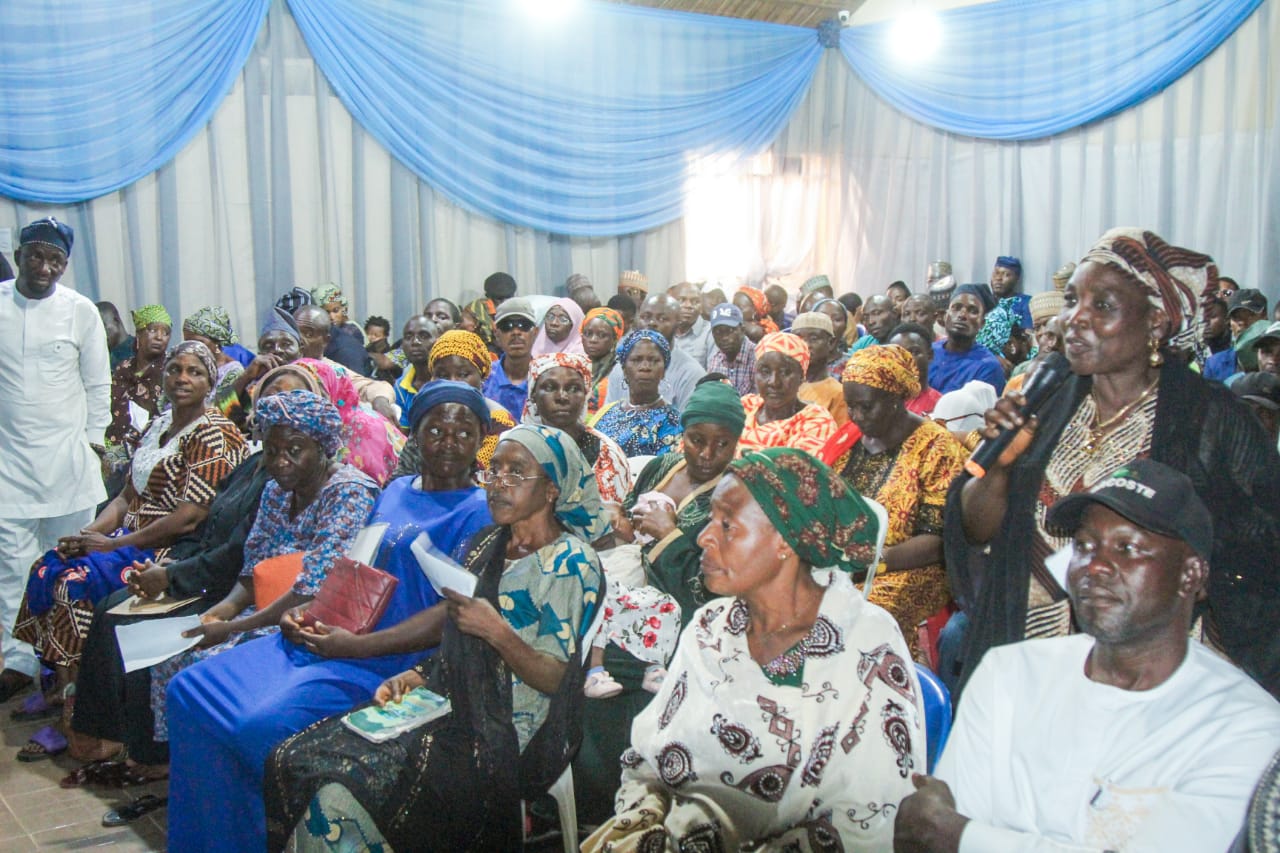
In Kachia and Kagarko, local government, local government area council representatives and traditional leaders conveyed goodwill messages, welcomed the program, and expressed eagerness to see tangible impacts on agricultural productivity and livelihoods. In all LGAs, community members raised pertinent questions around cooperative registration, insurance, input distribution timelines, and the inclusion of additional value chains such as sugarcane and livestock.
The second phase of the sensitization campaign was held in Kubau, Ikara, Soba, and Lere LGAs. These engagements focused on communities surrounding the ATC located in Kubau, a 30-hectare facility designed for aggregation and primary processing of produce from the surrounding LGAs.
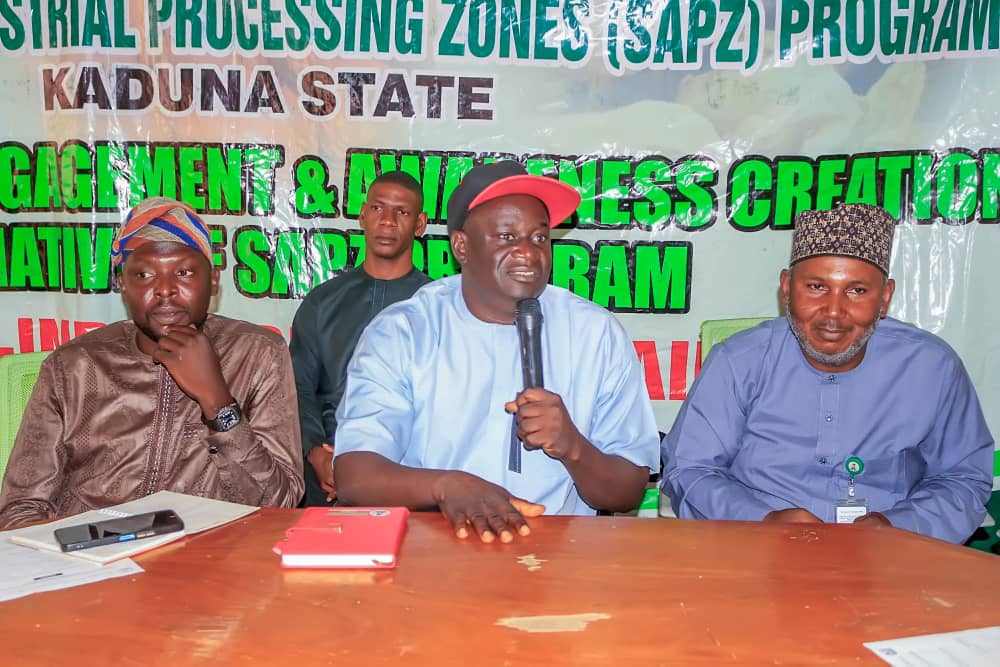
At the Kubau event, the council Chairman, Hon. Banki celebrated the siting of the ATC in his area and highlighted the employment and agribusiness opportunities it would generate. Also present were the Hakimin Kubau who called for strong community ownership to ensure sustainability beyond the program’s lifespan.
In Ikara LGA, the council’s representative reiterated their support and noted the community’s eagerness to benefit from input distribution. During the session in Soba LGA, a representative from the council noted that the LGA is a major maize producer and suggested expanding the value chain focus to include bell peppers, another crop widely grown in the area.
At Lere LGA, the sensitization saw a high turnout including the Speaker of the Legislative Council, the Supervisory Councillor for Agriculture, and the Special Adviser on Women Affairs. Concerns were raised regarding the cost of transporting farm produce and the lack of local agro-processing options for sugarcane, which is heavily cultivated in the area. Women’s groups also voiced worries over youth drug abuse, proposing that the establishment of agro-processing facilities could provide meaningful employment alternatives. The SPC acknowledged all feedback and assured participants that continued stakeholder dialogue and needs assessments would guide future phases of implementation.
Throughout the sensitization activities, the SAPZ team provided detailed briefings on the $38 million African Development Bank-supported program, which is being implemented through a 25-year loan agreement with Nigeria’s Ministry of Finance.
The program aims to reduce post-harvest losses, improve processing infrastructure, boost employment, and drive inclusive economic development.
Participants across the LGAs asked insightful questions around land use, loan repayment terms, cooperative eligibility, market linkages, insurance coverage, and equity in the siting of infrastructure. The component leads clarified that support will be accessed through structured cooperatives, inputs are not free but supported through loans, and all financial engagements will be transparent and performance-tracked.
The community sensitization campaign achieved its objectives of increasing program awareness, generating enthusiasm, and building local support for the SAPZ Program. The active participation of political leaders, traditional authorities, and community members underscored the high level of public interest and the potential for widespread impact.
Going forward, the SAPZ implementation Office in Kaduna State plans to sustain engagement through localized trainings on cooperative development, enhanced communication strategies, and ongoing consultations to ensure the program remains responsive to the unique needs of each participating LGA. With foundations of trust now strengthened, Kaduna State is poised to deliver a community-driven agricultural transformation that leaves no one behind.