Women Leading the Change: Climate-Smart Farming Takes Root in Kaduna Communities
In the heart of Kaduna State, a quiet revolution is underway led by women farmers determined to protect their land and livelihoods from the growing threat of climate change.
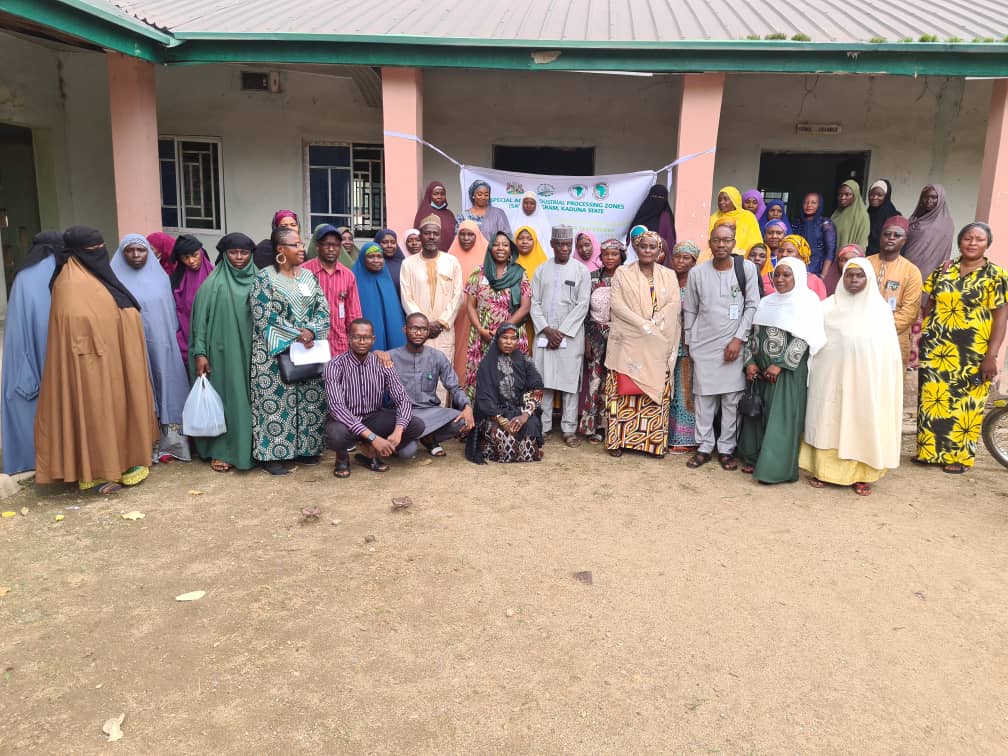
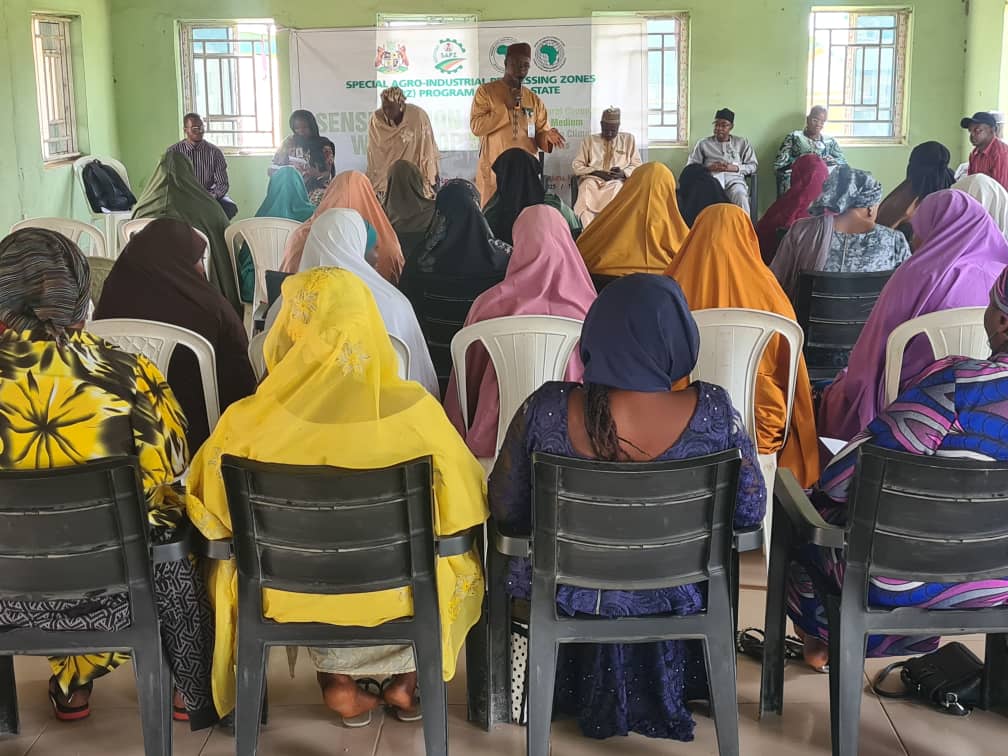
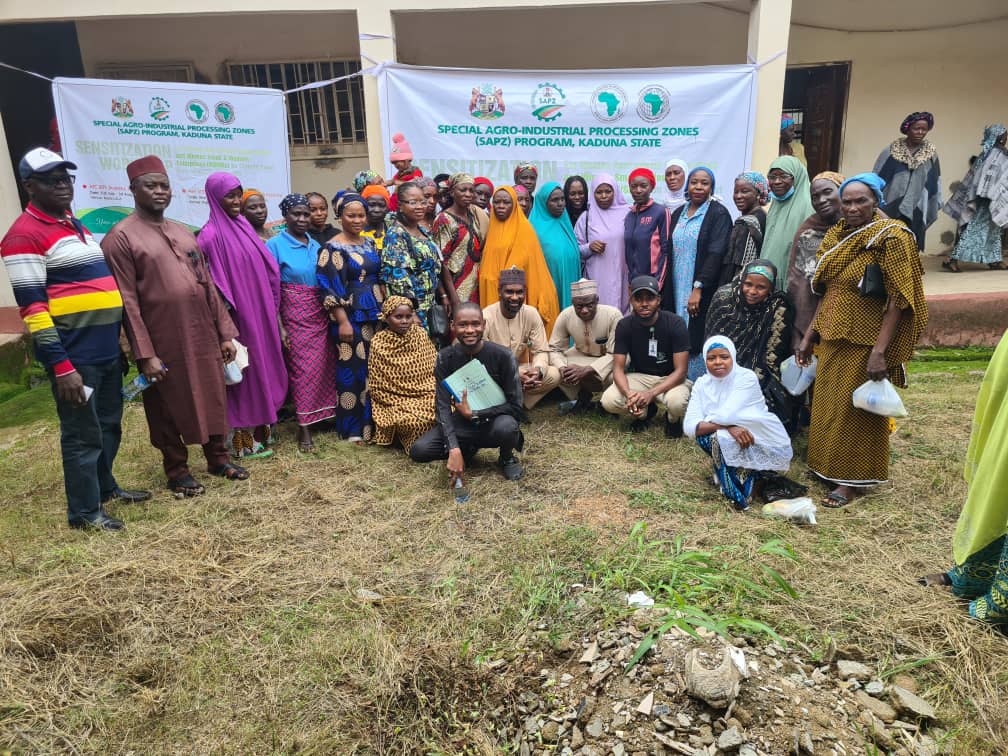
The Special Agro-Industrial Processing Zones (SAPZ) program recently organized a sensitization workshop for Women Agricultural Cooperatives and Women Small and Medium Enterprises (WSMEs) in Ikara and Kajuru Local Government Areas (LGAs) of the state. The goal? To equip women with the tools, knowledge, and confidence to adopt climate-smart agricultural (CSA) practices that make farming more sustainable, productive, and resilient.
Over 100 women farmers and agripreneurs, many of whom are key players in their local agricultural value chains gathered for the sessions. For most, access to modern technology, farming inputs, and financial resources has long been a challenge. The workshop sought to change that narrative, introducing simple, affordable, and gender-sensitive technologies such as solar-powered irrigation systems, rainwater harvesting, improved crop storage, and other sustainable techniques.
“This training has opened our eyes to new ways of farming that are better for our families and the environment,” said one participant from Kajuru.
Through interactive presentations, local case studies, and lively Q&A sessions, the women were introduced to the core principles of CSA in ways that were easy to understand and relevant to their everyday realities. Trainers emphasized how climate-smart practices can be tailored for smallholder farms and micro-enterprises, showing the women how to integrate these tools and access necessary resources.
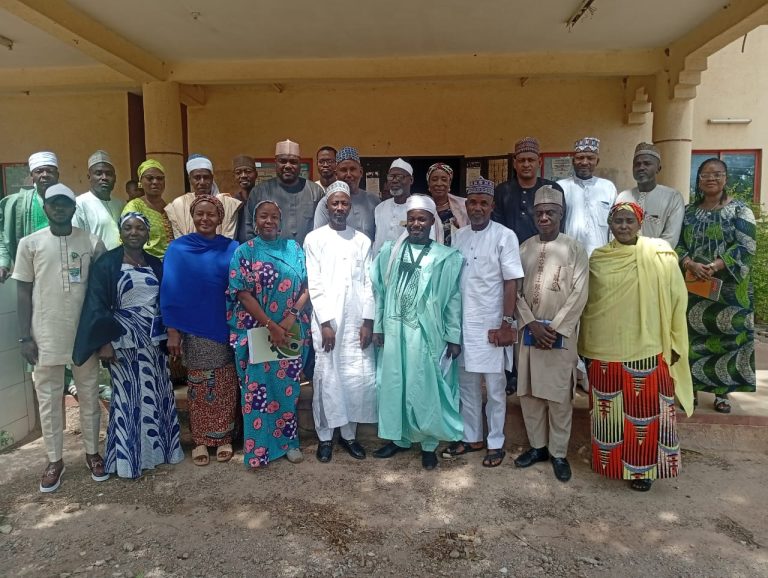
The presence of local officials added weight to the initiative. The Directors of Agriculture from both LGAs gave goodwill messages, pledging their continued support for women in agriculture. Key SAPZ team members, including Gender and Social Safeguard Officer, Zainab Aliyu Mohammed also highlighted the critical role of women in building climate resilience.
“Women are the backbone of agriculture in rural communities,” Mohammed said. “With the right support, they can be powerful agents of change.”
As the workshop wrapped up, participants expressed enthusiasm and called for more hands-on training, including materials in local languages like Hausa, to make learning more accessible. Several also requested ongoing mentorship and assistance in accessing finance and inputs, underlining the need for continued support beyond workshops.
The success of the Ikara and Kajuru training is more than just a one-time event, it is a testament to women’s readiness to lead in adapting to climate change. It underscores the importance of collaboration between development programs like SAPZ, local governments, and community-based organizations.
Looking ahead, SAPZ plans to expand the initiative to more LGAs, partner with agricultural extension services for mentorship, and develop simplified training materials in local languages. The momentum sparked in Kaduna may be just the beginning of a broader transformation, one where women are not just participating in agriculture, but leading its evolution toward a more resilient and sustainable future.