SAPZ Kaduna Builds Capacity on Global Contract Standards
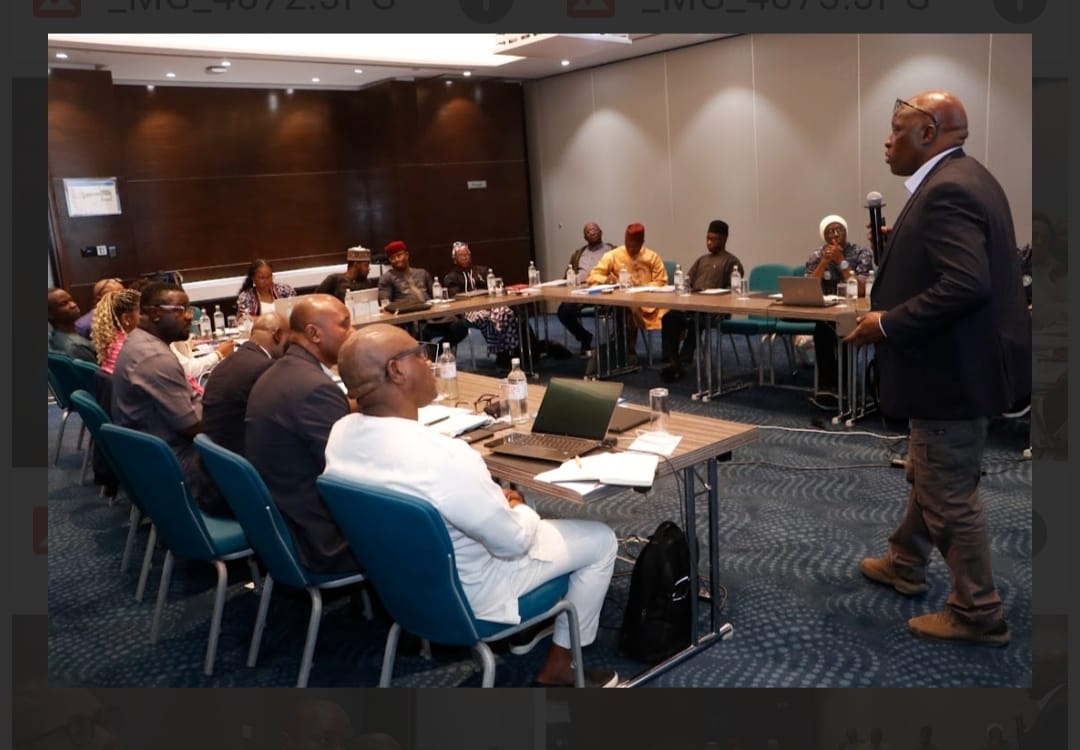
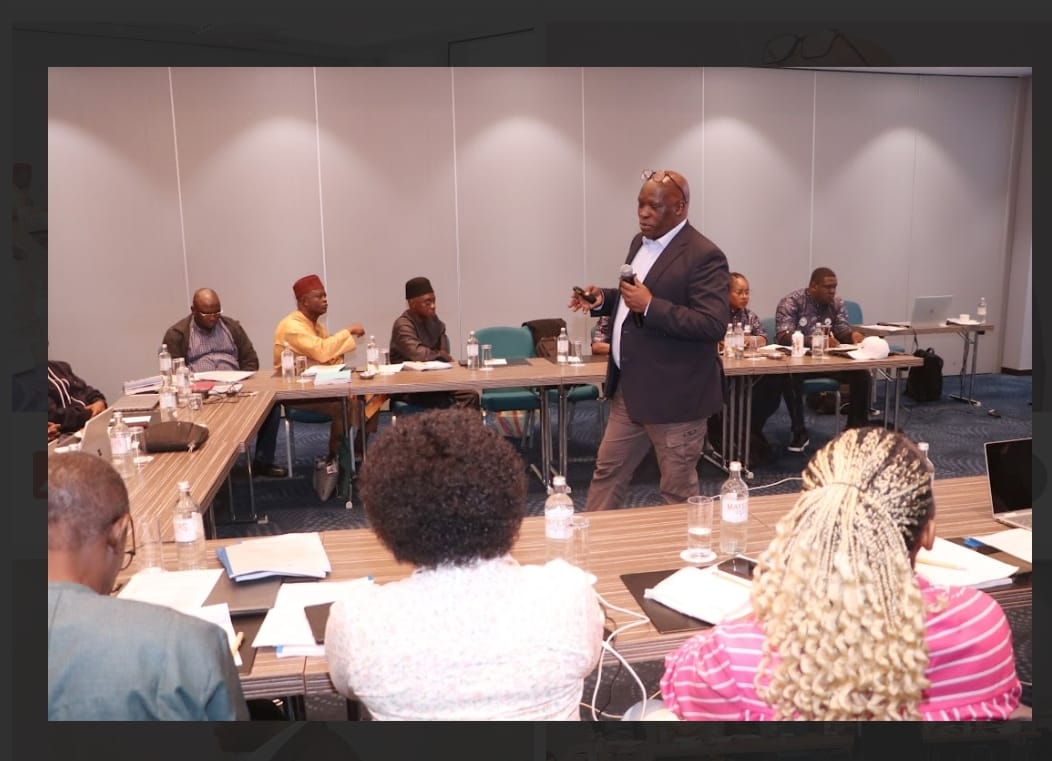
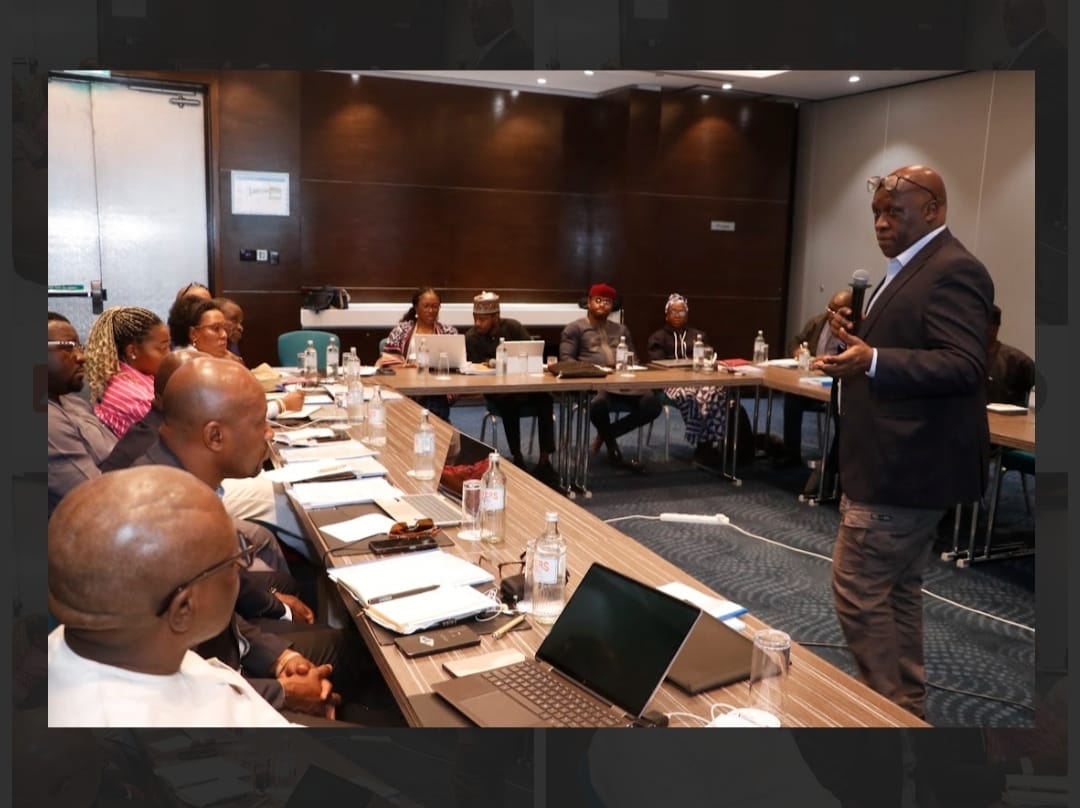
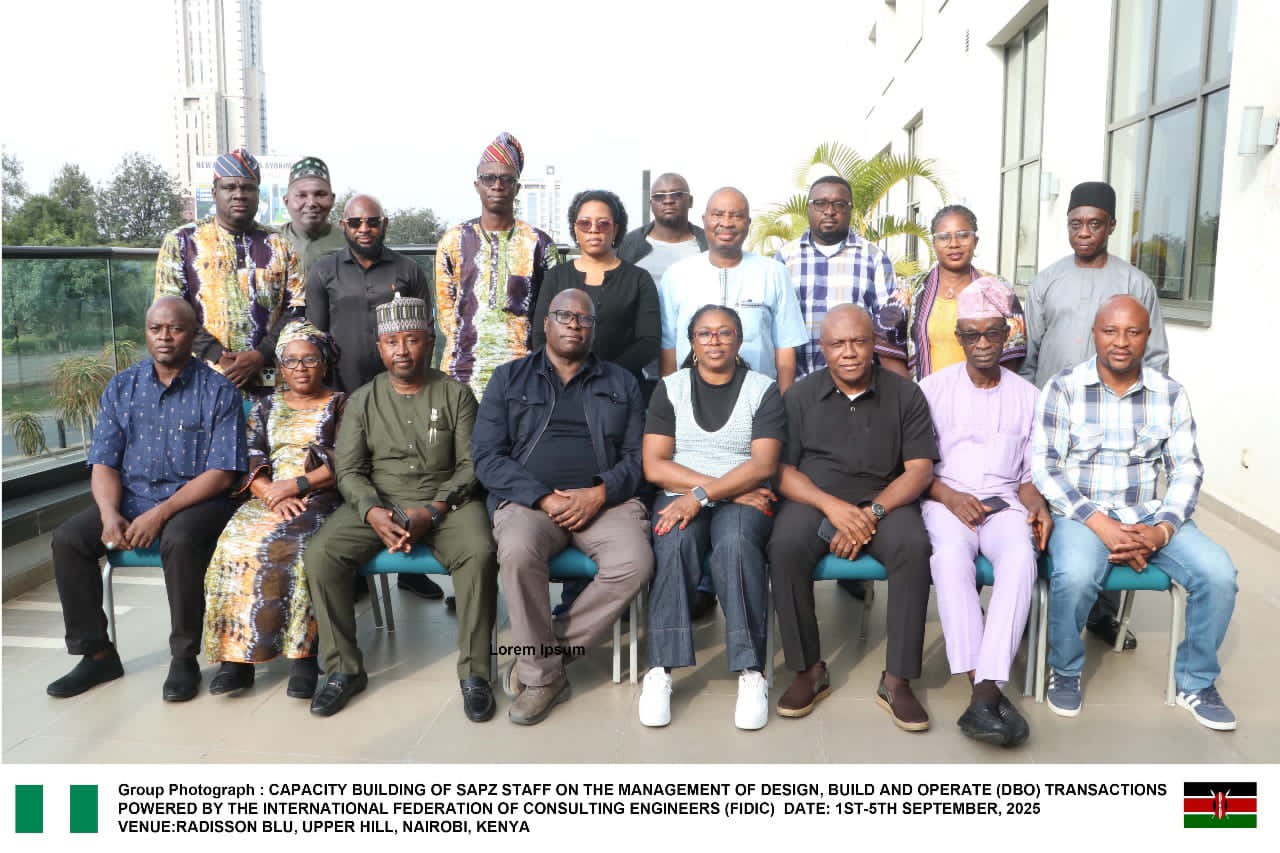
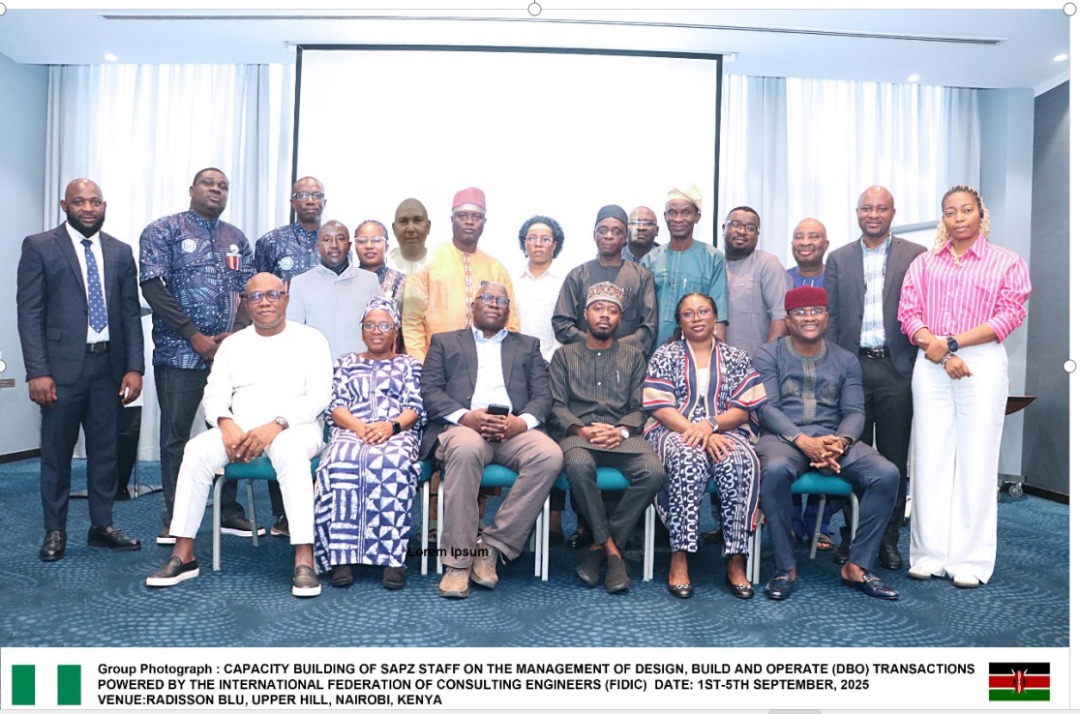
Four key staff of the Special Agro-Industrial Processing Zones (SAPZ) Program, Kaduna State have successfully completed a five-day international training on the FIDIC Conditions of Contract for Design, Build, and Operate (DBO) Projects, popularly known as the Gold Book, at the Radisson Blu Hotel in Nairobi, Kenya.
The Kaduna SAPZ delegation included the State Program Coordinator, State Infrastructure Engineer, State Procurement Officer, and State Processing Engineer.
Organized by the National Coordination Office of the SAPZ Program in partnership with the International Federation of Consulting Engineers (FIDIC), the course equipped participants with advanced skills in international contract management, risk allocation, dispute resolution, and performance monitoring. It was the first international training for SAPZ personnel since the program’s inception, marking a significant milestone in Kaduna State’s efforts to strengthen technical capacity for implementing large-scale agro-industrial projects.
During the training, participants were introduced to the full suite of FIDIC contracts; Red, Yellow, Silver, Gold, Green, White, Orange, and Emerald Books, and their applications across various engineering and infrastructure projects. Special emphasis was placed on the Gold Book, which integrates design, construction, and long-term operation into a single contracting framework. This model is particularly relevant to SAPZ operations, where sustainable functionality and long-term maintenance of agro-industrial hubs are essential.
Over the five days, the delegates explored key elements of the Gold Book framework. They learned how effective risk sharing between employers and contractors minimizes disputes and ensures smoother project delivery. Facilitators also highlighted performance-based payment systems, where contractor compensation is tied to operational outcomes rather than construction milestones, an approach that encourages long-term commitment, efficiency, and accountability.
Another critical component of the training was contract management during the Operation Service Period. Participants gained practical insight into using Key Performance Indicators (KPIs) to monitor contractor performance in areas such as equipment uptime, processing efficiency, and service responsiveness. Through hands-on exercises and role-play, they learned how Dispute Avoidance and Adjudication Boards (DAABs) help resolve disagreements promptly and cost-effectively.
The final day featured international case studies of DBO projects in sectors including water supply, energy, and municipal services. Participants analyzed best practices, common challenges, and presented group projects demonstrating how Gold Book principles can be applied to Agro-Industrial Hubs and Agricultural Transformation Centers in Kaduna State. The course concluded with the award of certificates to all participants.
From the training, the Kaduna SAPZ team gained a deeper understanding of how to structure DBO contracts that promote accountability, efficiency, and sustainability. They also recommended establishing a dedicated Contract Management Unit within the State Project Implementation Unit (SPIU) to enhance monitoring of contractor performance and compliance. Additional recommendations included adopting performance-based payment systems linked to KPIs, setting up DAABs for DBO contracts, and engaging FIDIC-accredited experts throughout contract preparation and implementation.
This training marks a significant step in strengthening the technical capacity of the Kaduna SAPZ team. Equipped with enhanced knowledge and skills, the delegates are now better positioned to manage complex infrastructure projects and ensure that contractors deliver results aligned with long-term operational goals. The experience will directly support the sustainability of SAPZ agro-industrial hubs and advance Kaduna State’s broader vision for agricultural transformation and inclusive economic growth.
The SAPZ Program plans to continue providing international trainings and study tours for its Project Implementation Units over the program’s five-year duration. This ongoing learning strategy will help reinforce institutional capacity and ensure Kaduna State remains a leading force in agro-industrial development in Nigeria.